Buy ruhrgebiet.info ?
We are moving the project
ruhrgebiet.info .
Are you interested in purchasing the domain
ruhrgebiet.info ?
domain@kv-gmbh.de · 0541-91531010
Buy ruhrgebiet.info ?
Can you make a presentation about "Thinking, Fast and Slow" by Daniel Kahneman?
"Thinking, Fast and Slow" by Daniel Kahneman is a groundbreaking book that explores the two systems that drive the way we think: the fast, intuitive, and emotional system, and the slow, deliberate, and logical system. The book delves into the cognitive biases and errors that affect our decision-making processes, and offers insights into how we can make better choices by understanding these systems. It also discusses the impact of these systems on various aspects of our lives, such as economics, psychology, and behavioral economics. Overall, "Thinking, Fast and Slow" provides a fascinating and thought-provoking look into the complexities of human thought and decision-making. **
Is it difficult to read "Thinking, Fast and Slow" by Daniel Kahneman in English?
The difficulty of reading "Thinking, Fast and Slow" by Daniel Kahneman in English may vary depending on the reader's proficiency in the language. The book delves into complex psychological concepts and research findings, which may require a higher level of English comprehension. However, Kahneman's writing style is clear and accessible, making it easier for readers to grasp the concepts presented. Overall, while some readers may find certain sections challenging, others may find it relatively easy to follow. **
Similar search terms for Kahneman
Top-Angebote
Products related to Kahneman:
-
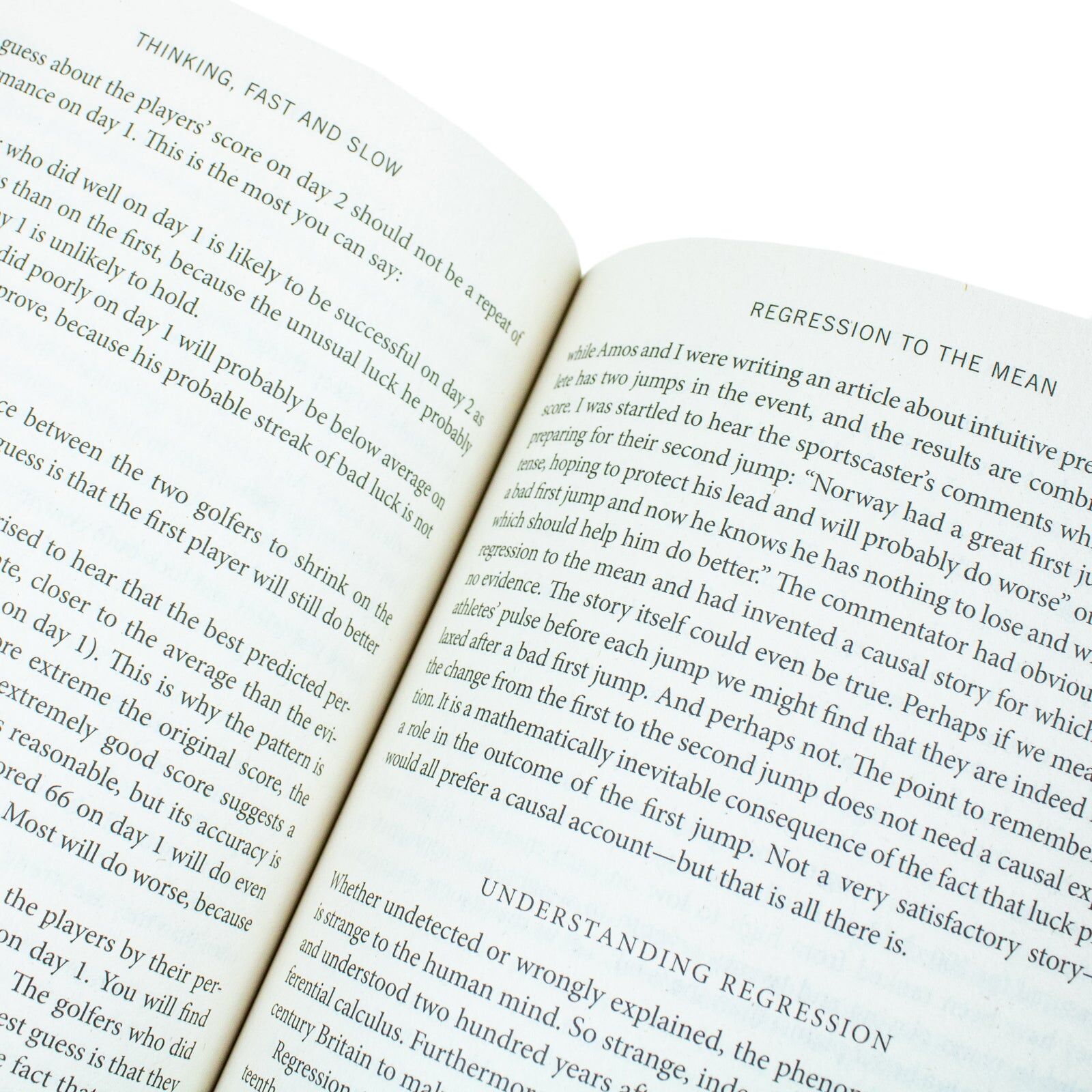
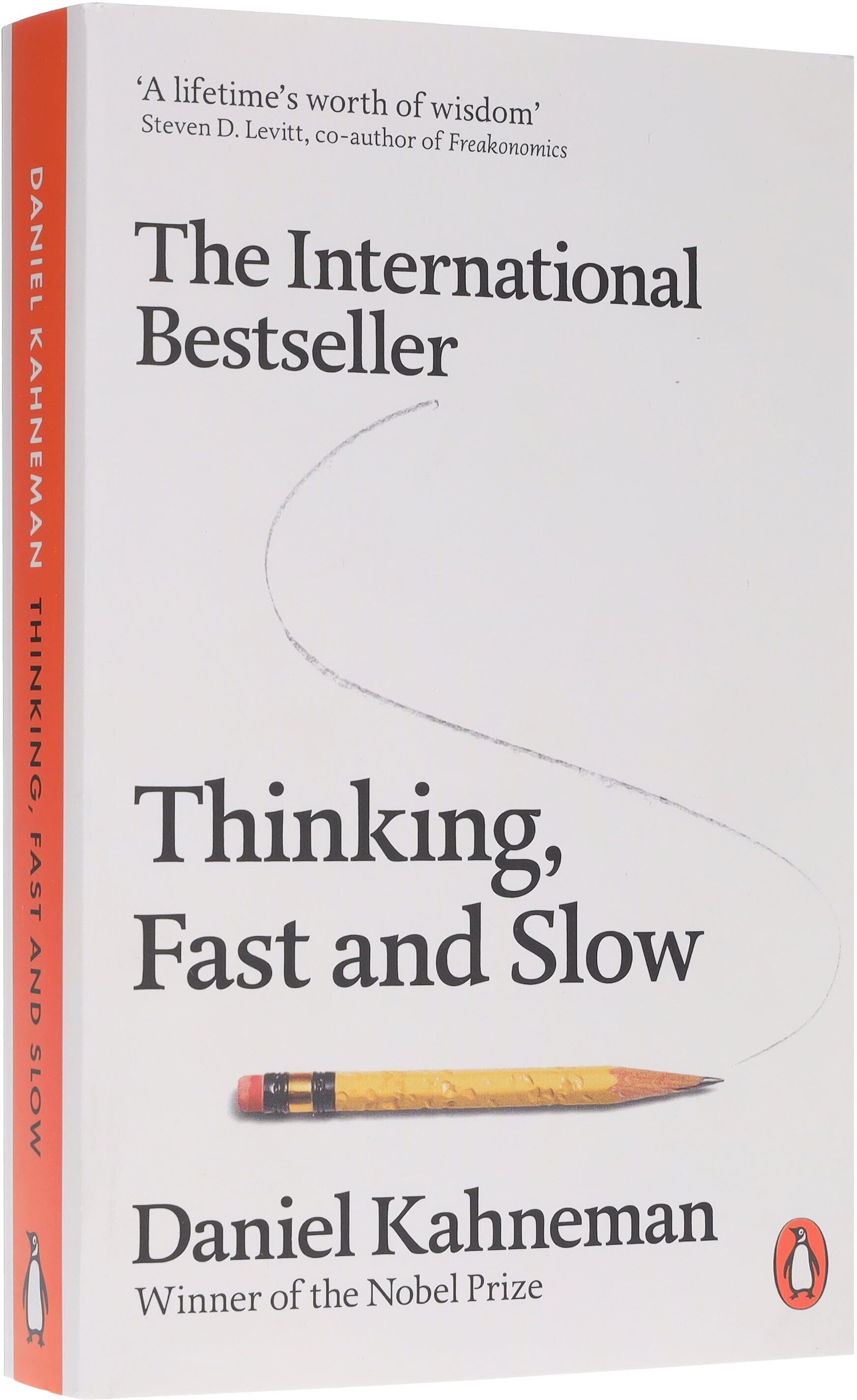
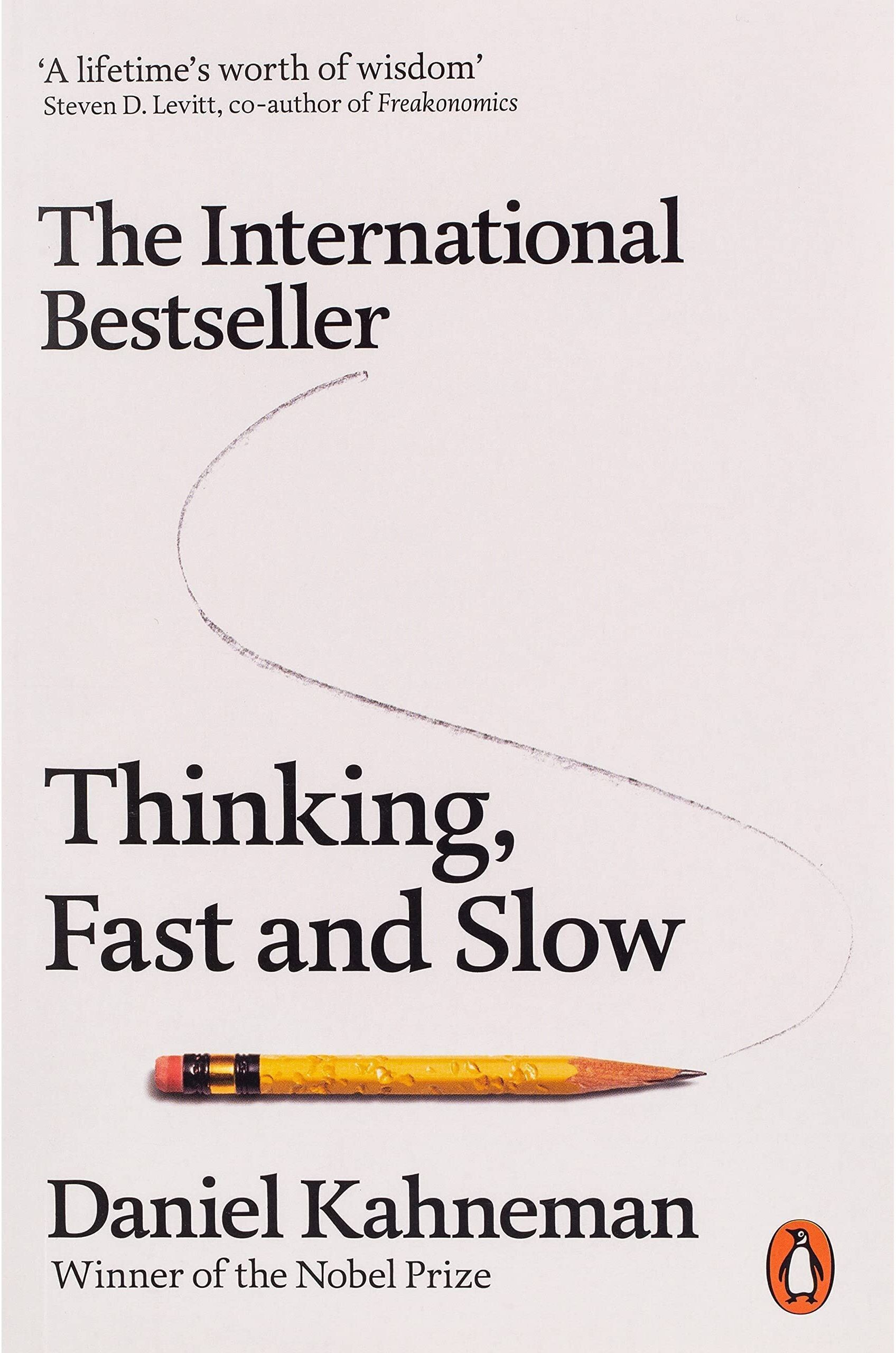
Thinking, Fast and Slow By Daniel Kahneman - Non Fiction - Paperback Penguin Random HouseWhy is there more chance we'll believe something if it's in a bold type face? Why are judges more likely to deny parole before lunch? Why do we assume a good-looking person will be more competent? The answer lies in the two ways we make choices: fast, intuitive thinking, and slow, rational thinking. This book reveals how our minds are tripped up by error and prejudice (even when we think we are being logical), and gives you practical techniques for slower, smarter thinking, enabling you to make better decisions at work, at home, and in everything you do.11,95 £*Shipping: 2,99 £Secure redirect to the provider
-
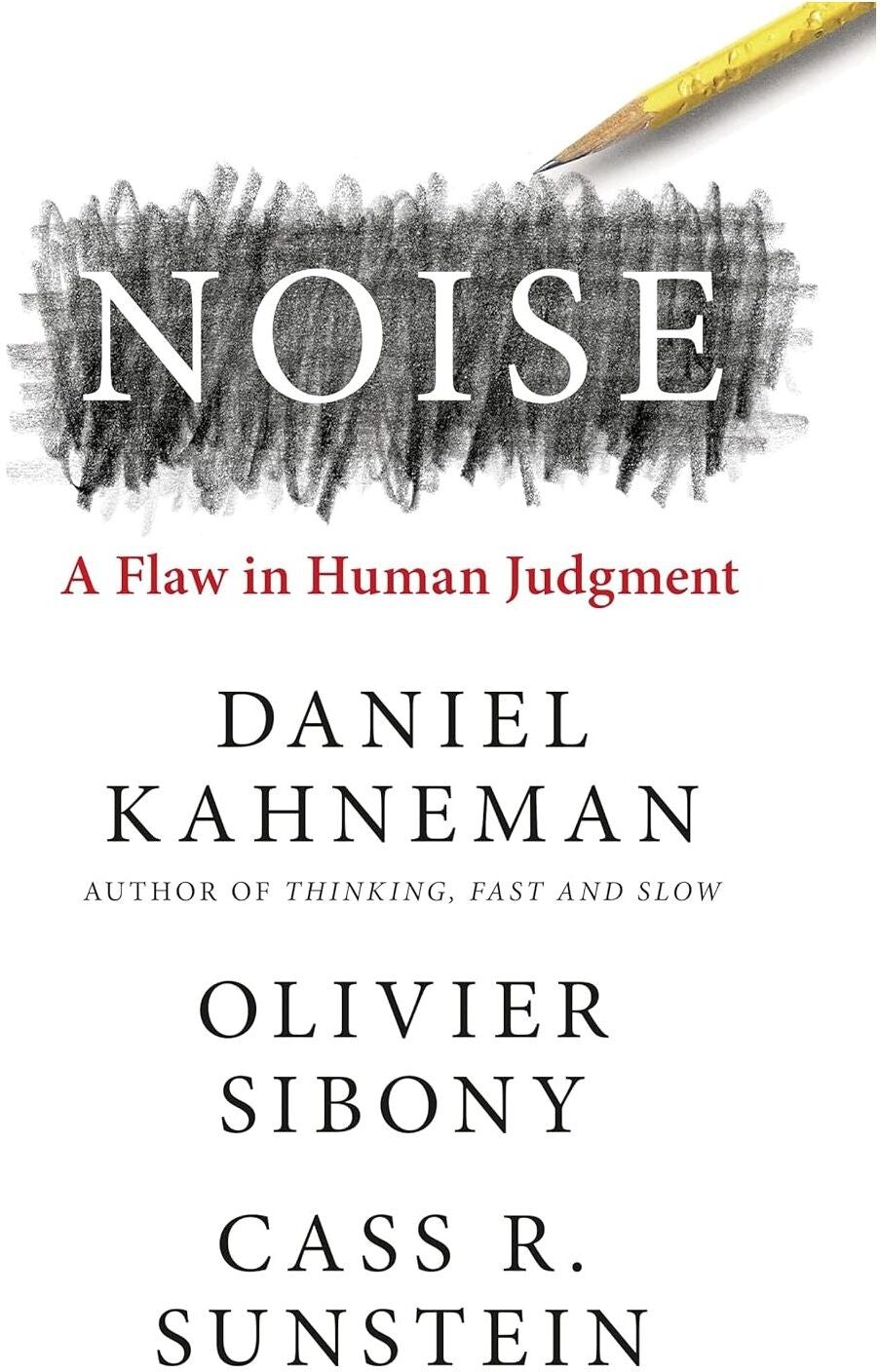
Penguin/HarperCollins Noise & Thinking Fast and Slow By Daniel Kahneman 2 Books Collection SetNoise & Thinking Fast and Slow By Daniel Kahneman 2 Books Collection Set: Noise: In Noise, Daniel Kahneman, Olivier Sibony and Cass R. Sunstein show how noise produces errors in many fields, including in medicine, law, public health, economic forecasting, forensic science, child protection, creative strategy, performance review and hiring. And although noise can be found wherever people are making judgements and decisions, individuals and organizations alike commonly ignore its impact, at great cost.Packed with new ideas, and drawing on the same kind of sharp analysis and breadth of case study that made Thinking, Fast and Slow and Nudge international bestsellers, Noise explains how and why humans are so susceptible to noise and bias in decision-making. Thinking Fast and Slow: Why is there more chance we'll believe something if it's in a bold type face? Why are judges more likely to deny parole before lunch? Why do we assume a good-looking person will be more competent? The answer lies in the two ways we make choices: fast, intuitive thinking, and slow, rational thinking. This book reveals how our minds are tripped up by error and prejudice (even when we think we are being logical), and gives you practical techniques for slower, smarter thinking. It will enable to you make better decisions at work, at home, and in everything you do.10,89 £*Shipping: 2,99 £Secure redirect to the provider
-
Various Publishers Daniel Kahneman 2 Book Set: Noise & Thinking, Fast and Slow - Paperback - Behavioural Economics & Psychology BestsellersThis two-book collection brings together Nobel Prize-winning psychologist Daniel Kahneman's most influential work on human judgment. Thinking, Fast and Slow explores the two systems that drive the way we think, while Noise, co-written with Olivier Sibony and Cass R. Sunstein, examines the hidden variability that undermines decisions in medicine, law, business and beyond. Together they offer a comprehensive guide to understanding and improving how we think, judge and choose. The collection includes 'Noise: A Flaw in Human Judgment' (9780008308995) and 'Thinking, Fast and Slow' (9780141033570), published by William Collins and Penguin respectively. Both books are in brand new condition and are available in paperback format.25,99 £*Shipping: 2,99 £Secure redirect to the provider
-
From the Archives: Black History and Culture Value PackThis brand-new series is rooted in a profound commitment to shedding light on some of the important -- and often lesser-known -- aspects of Black history. From the Archives features landmarks, events, people, and artistic endeavors that have played...27,99 $*Shipping: 0,00 $Secure redirect to the provider

-
What are electricity and high culture history?
Electricity history refers to the development and use of electricity as a form of energy, including the discovery of electricity, the invention of electric devices, and the establishment of electrical systems. High culture history, on the other hand, refers to the history of cultural and artistic achievements that are considered to be of high quality and sophistication, such as classical music, literature, fine arts, and theater. Both electricity and high culture history have evolved over time, shaping the way we live and appreciate the world around us. **
-
What is a Ruhrgebiet song?
A Ruhrgebiet song is a type of folk song that originates from the Ruhrgebiet region in Germany. These songs often reflect the industrial history and working-class culture of the area, with themes of labor, solidarity, and community. The lyrics are typically in the local dialect and are accompanied by traditional music styles such as folk or polka. Ruhrgebiet songs are a way for the people of the region to celebrate their heritage and express their identity through music. **
-
What is the difference between low culture and high culture in history?
Low culture refers to the cultural activities and products that are considered to be more common, popular, and easily accessible to the general public. This can include things like popular music, television shows, and mass-produced literature. On the other hand, high culture refers to the cultural activities and products that are considered to be more refined, sophisticated, and often associated with the elite or educated classes. This can include things like classical music, fine art, and literature that is considered to be more intellectually challenging. The distinction between low and high culture has been a source of debate and has evolved over time, but it generally reflects the social and class divisions within a society. **
-
Does anyone know about the Islamic Golden Age in architecture and culture?
Yes, the Islamic Golden Age was a period of great cultural and architectural achievements in the Islamic world, spanning from the 8th to the 14th century. During this time, Islamic scholars made significant advancements in fields such as mathematics, astronomy, medicine, and philosophy. In terms of architecture, the Islamic world produced stunning examples of mosques, palaces, and other structures, characterized by intricate geometric patterns, domes, and arches. This period also saw the development of beautiful decorative arts such as calligraphy, ceramics, and textiles. Overall, the Islamic Golden Age left a lasting legacy in both architecture and culture. **


What is a question about the history of Romanesque architecture?
How did Romanesque architecture evolve from the earlier Carolingian and Byzantine styles? **
What exactly does innovation mean?
Innovation refers to the process of creating new ideas, products, or methods that bring about positive change or improvement. It involves thinking outside the box, taking risks, and challenging the status quo to develop something unique and valuable. Innovation can occur in various fields such as technology, business, science, and art, and is essential for driving progress and growth in society. **
Top-Angebote
Products related to Kahneman:
-
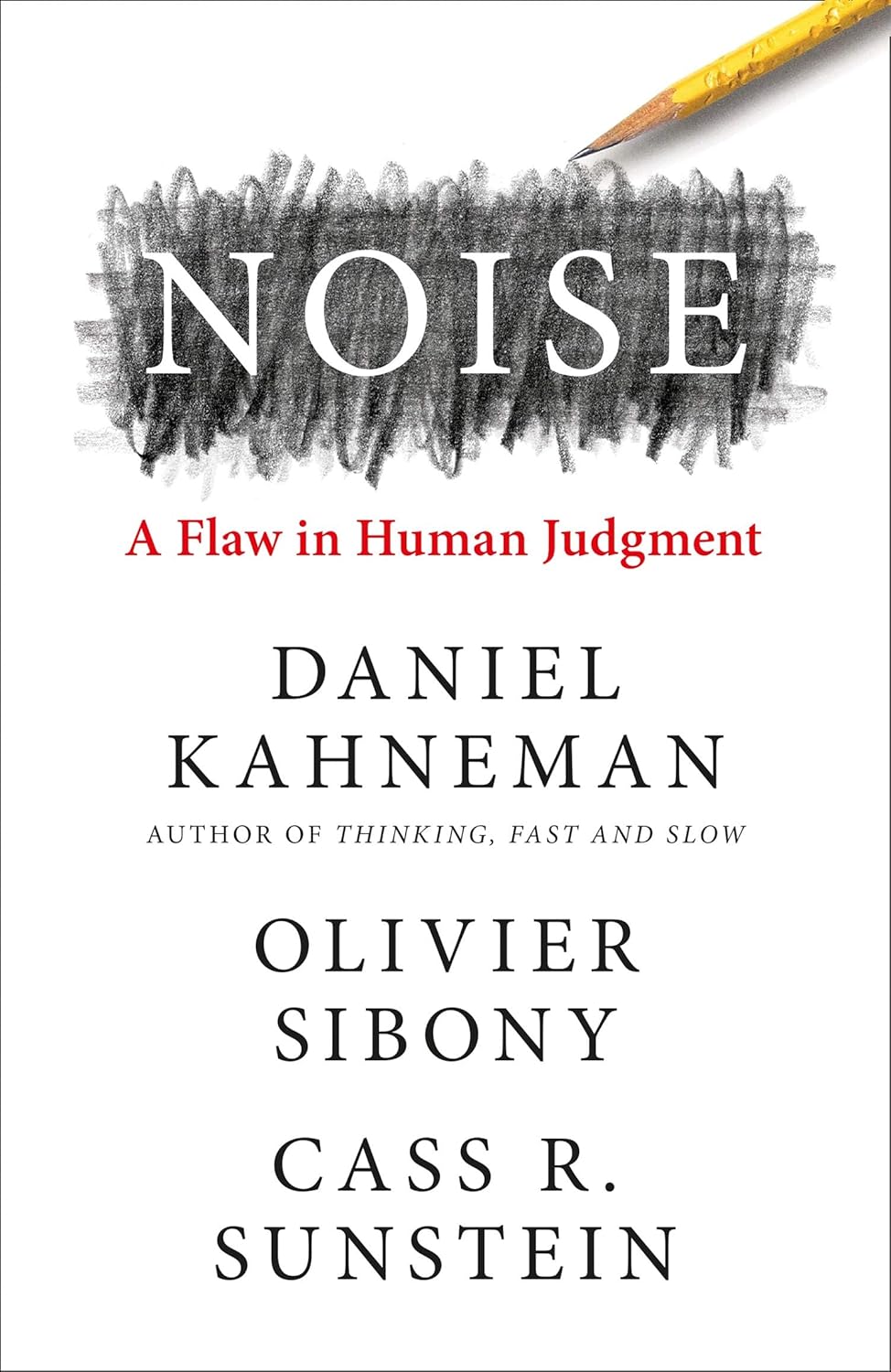
HARPERCOLLINS Noise by Daniel Kahneman (Paperback)From the world-leaders in strategic thinking and the multi-million copy bestselling authors of Thinking Fast and Slow and Nudge, the next big book to change the way you think. Imagine that two doctors in the same city give different diagnoses to identical patients – or that two judges in the same court give different sentences to people who have committed matching crimes. Now imagine that the same doctor and the same judge make different decisions depending on whether it is morning or afternoon, or Monday rather than Wednesday, or they haven’t yet had lunch. These are examples of noise: variability in judgements that should be identical. In Noise, Daniel Kahneman, Olivier Sibony and Cass R. Sunstein show how noise produces errors in many fields, including in medicine, law, public health, economic forecasting, forensic science, child protection, creative strategy, performance review and hiring. And although noise can be found wherever people are making judgements and decisions, individuals and organizations alike commonly ignore its impact, at great cost. Packed with new ideas, and drawing on the same kind of sharp analysis and breadth of case study that made Thinking, Fast and Slow and Nudge international bestsellers, Noise explains how and why humans are so susceptible to noise and bias in decision-making. We all make bad judgements more than we think. With a few simple remedies, this groundbreaking book explores what we can do to make better ones.7,99 £*Shipping: 2,99 £Secure redirect to the provider
-
Penguin Thinking, Fast and Slow by Daniel KahnemanWhy is there more chance we'll believe something if it's in a bold type face? Why are judges more likely to deny parole before lunch? Why do we assume a good-looking person will be more competent? The answer lies in the two ways we make choices: fast, intuitive thinking, and slow, rational thinking. This book reveals how our minds are tripped up by error and prejudice (even when we think we are being logical), and gives you practical techniques for slower, smarter thinking. It will enable to you make better decisions at work, at home, and in everything you do.7,99 £*Shipping: 2,99 £Secure redirect to the provider
-
Thinking, Fast and Slow By Daniel Kahneman - Non Fiction - Paperback Penguin Random HouseWhy is there more chance we'll believe something if it's in a bold type face? Why are judges more likely to deny parole before lunch? Why do we assume a good-looking person will be more competent? The answer lies in the two ways we make choices: fast, intuitive thinking, and slow, rational thinking. This book reveals how our minds are tripped up by error and prejudice (even when we think we are being logical), and gives you practical techniques for slower, smarter thinking, enabling you to make better decisions at work, at home, and in everything you do.11,95 £*Shipping: 2,99 £Secure redirect to the provider
-
Penguin/HarperCollins Noise & Thinking Fast and Slow By Daniel Kahneman 2 Books Collection SetNoise & Thinking Fast and Slow By Daniel Kahneman 2 Books Collection Set: Noise: In Noise, Daniel Kahneman, Olivier Sibony and Cass R. Sunstein show how noise produces errors in many fields, including in medicine, law, public health, economic forecasting, forensic science, child protection, creative strategy, performance review and hiring. And although noise can be found wherever people are making judgements and decisions, individuals and organizations alike commonly ignore its impact, at great cost.Packed with new ideas, and drawing on the same kind of sharp analysis and breadth of case study that made Thinking, Fast and Slow and Nudge international bestsellers, Noise explains how and why humans are so susceptible to noise and bias in decision-making. Thinking Fast and Slow: Why is there more chance we'll believe something if it's in a bold type face? Why are judges more likely to deny parole before lunch? Why do we assume a good-looking person will be more competent? The answer lies in the two ways we make choices: fast, intuitive thinking, and slow, rational thinking. This book reveals how our minds are tripped up by error and prejudice (even when we think we are being logical), and gives you practical techniques for slower, smarter thinking. It will enable to you make better decisions at work, at home, and in everything you do.10,89 £*Shipping: 2,99 £Secure redirect to the provider
-
Can you make a presentation about "Thinking, Fast and Slow" by Daniel Kahneman?
"Thinking, Fast and Slow" by Daniel Kahneman is a groundbreaking book that explores the two systems that drive the way we think: the fast, intuitive, and emotional system, and the slow, deliberate, and logical system. The book delves into the cognitive biases and errors that affect our decision-making processes, and offers insights into how we can make better choices by understanding these systems. It also discusses the impact of these systems on various aspects of our lives, such as economics, psychology, and behavioral economics. Overall, "Thinking, Fast and Slow" provides a fascinating and thought-provoking look into the complexities of human thought and decision-making. **
-
Is it difficult to read "Thinking, Fast and Slow" by Daniel Kahneman in English?
The difficulty of reading "Thinking, Fast and Slow" by Daniel Kahneman in English may vary depending on the reader's proficiency in the language. The book delves into complex psychological concepts and research findings, which may require a higher level of English comprehension. However, Kahneman's writing style is clear and accessible, making it easier for readers to grasp the concepts presented. Overall, while some readers may find certain sections challenging, others may find it relatively easy to follow. **
-
What are electricity and high culture history?
Electricity history refers to the development and use of electricity as a form of energy, including the discovery of electricity, the invention of electric devices, and the establishment of electrical systems. High culture history, on the other hand, refers to the history of cultural and artistic achievements that are considered to be of high quality and sophistication, such as classical music, literature, fine arts, and theater. Both electricity and high culture history have evolved over time, shaping the way we live and appreciate the world around us. **
-
What is a Ruhrgebiet song?
A Ruhrgebiet song is a type of folk song that originates from the Ruhrgebiet region in Germany. These songs often reflect the industrial history and working-class culture of the area, with themes of labor, solidarity, and community. The lyrics are typically in the local dialect and are accompanied by traditional music styles such as folk or polka. Ruhrgebiet songs are a way for the people of the region to celebrate their heritage and express their identity through music. **
Similar search terms for Kahneman
-
Various Publishers Daniel Kahneman 2 Book Set: Noise & Thinking, Fast and Slow - Paperback - Behavioural Economics & Psychology BestsellersThis two-book collection brings together Nobel Prize-winning psychologist Daniel Kahneman's most influential work on human judgment. Thinking, Fast and Slow explores the two systems that drive the way we think, while Noise, co-written with Olivier Sibony and Cass R. Sunstein, examines the hidden variability that undermines decisions in medicine, law, business and beyond. Together they offer a comprehensive guide to understanding and improving how we think, judge and choose. The collection includes 'Noise: A Flaw in Human Judgment' (9780008308995) and 'Thinking, Fast and Slow' (9780141033570), published by William Collins and Penguin respectively. Both books are in brand new condition and are available in paperback format.25,99 £*Shipping: 2,99 £Secure redirect to the provider
-
From the Archives: Black History and Culture Value PackThis brand-new series is rooted in a profound commitment to shedding light on some of the important -- and often lesser-known -- aspects of Black history. From the Archives features landmarks, events, people, and artistic endeavors that have played...27,99 $*Shipping: 0,00 $Secure redirect to the provider
-
PENGUIN/RIVERHEAD BOOKS Messy (Hardback) By Tim Harford & Thinking Fast and Slow By Daniel Kahneman 2 Books Collection SetMessy (Hardback) By Tim Harford & Thinking Fast and Slow By Daniel Kahneman 2 Books Collection Set: Messy (Hardback) The urge to tidiness seems to be rooted deep in the human psyche. Many of us feel threatened by anything that is vague, unplanned, scattered around or hard to describe. We find comfort in having a script to rely on, a system to follow, in being able to categorise and file away.We all benefit from tidy organisation - up to a point. A large library needs a reference system. Global trade needs the shipping container. Scientific collaboration needs measurement units. But the forces of tidiness have marched too far. Thinking Fast and Slow Why is there more chance we'll believe something if it's in a bold type face? Why are judges more likely to deny parole before lunch? Why do we assume a good-looking person will be more competent? The answer lies in the two ways we make choices: fast, intuitive thinking, and slow, rational thinking. This book reveals how our minds are tripped up by error and prejudice (even when we think we are being logical), and gives you practical techniques for slower, smarter thinking. It will enable to you make better decisions at work, at home, and in everything you do.9,89 £*Shipping: 2,99 £Secure redirect to the provider
-
William Collins Noise: A Flaw in Human Judgment - Daniel Kahneman, Olivier Sibony & Cass R. Sunstein - Paperback - Behavioural Science Nonfiction BestsellerNoise is a landmark work of behavioural science from Nobel laureate Daniel Kahneman, together with co-authors Olivier Sibony and Cass R. Sunstein. Following the success of Thinking, Fast and Slow, this paperback edition examines an overlooked source of error in human judgment: unwanted variability, or 'noise.' Drawing on studies from courtrooms, hospitals, and boardrooms, the authors reveal how identical cases can produce wildly different outcomes depending on who is judging them, and what can be done about it. We tend to assume that when experts disagree, bias is to blame. Noise makes the compelling case that a second, less visible problem is often just as damaging: inconsistency. Two doctors examining the same X-ray, two judges sentencing the same offence, or two underwriters pricing the same policy can arrive at strikingly different conclusions purely because of the variability in human judgment.3,99 £*Shipping: 2,99 £Secure redirect to the provider
-
What is the difference between low culture and high culture in history?
Low culture refers to the cultural activities and products that are considered to be more common, popular, and easily accessible to the general public. This can include things like popular music, television shows, and mass-produced literature. On the other hand, high culture refers to the cultural activities and products that are considered to be more refined, sophisticated, and often associated with the elite or educated classes. This can include things like classical music, fine art, and literature that is considered to be more intellectually challenging. The distinction between low and high culture has been a source of debate and has evolved over time, but it generally reflects the social and class divisions within a society. **
-
Does anyone know about the Islamic Golden Age in architecture and culture?
Yes, the Islamic Golden Age was a period of great cultural and architectural achievements in the Islamic world, spanning from the 8th to the 14th century. During this time, Islamic scholars made significant advancements in fields such as mathematics, astronomy, medicine, and philosophy. In terms of architecture, the Islamic world produced stunning examples of mosques, palaces, and other structures, characterized by intricate geometric patterns, domes, and arches. This period also saw the development of beautiful decorative arts such as calligraphy, ceramics, and textiles. Overall, the Islamic Golden Age left a lasting legacy in both architecture and culture. **
-
What is a question about the history of Romanesque architecture?
How did Romanesque architecture evolve from the earlier Carolingian and Byzantine styles? **
-
What exactly does innovation mean?
Innovation refers to the process of creating new ideas, products, or methods that bring about positive change or improvement. It involves thinking outside the box, taking risks, and challenging the status quo to develop something unique and valuable. Innovation can occur in various fields such as technology, business, science, and art, and is essential for driving progress and growth in society. **
* All prices are inclusive of VAT and, if applicable, plus shipping costs. The offer information is based on the details provided by the respective shop and is updated through automated processes. Real-time updates do not occur, so deviations can occur in individual cases. ** Note: Parts of this content were created by AI.