Buy ruhrgebiet.info ?
We are moving the project
ruhrgebiet.info .
Are you interested in purchasing the domain
ruhrgebiet.info ?
domain@kv-gmbh.de · 0541-91531010
Buy ruhrgebiet.info ?
What are electricity and high culture history?
Electricity history refers to the development and use of electricity as a form of energy, including the discovery of electricity, the invention of electric devices, and the establishment of electrical systems. High culture history, on the other hand, refers to the history of cultural and artistic achievements that are considered to be of high quality and sophistication, such as classical music, literature, fine arts, and theater. Both electricity and high culture history have evolved over time, shaping the way we live and appreciate the world around us. **
What is a Ruhrgebiet song?
A Ruhrgebiet song is a type of folk song that originates from the Ruhrgebiet region in Germany. These songs often reflect the industrial history and working-class culture of the area, with themes of labor, solidarity, and community. The lyrics are typically in the local dialect and are accompanied by traditional music styles such as folk or polka. Ruhrgebiet songs are a way for the people of the region to celebrate their heritage and express their identity through music. **

Similar search terms for Sangiovese
Top-Angebote
Products related to Sangiovese:
-
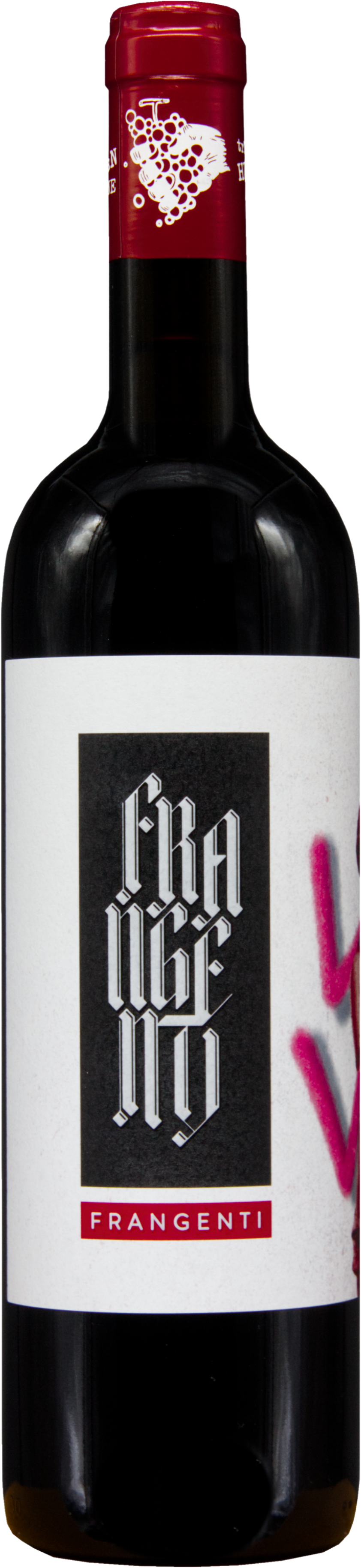
Sangiovese 'Frangenti' Podere Ranieri 2020Podere Ranieri's Sangiovese 'Solo' is a refined and complex interpretation of the quintessential Tuscan varietal. The origins of this wine date back to 2013, when owner Michele Ranieri decided to recover an old vineyard that had become abandoned. After two years of difficult and tiring work, the first harvest of this Sangiovese was finally made in 2015, and already observing the quality of the grapes it was clear that all those efforts had paid off. In fact, as the vine ages, it produces less but better, as the roots grow deeper and the berries are increasingly concentrated. Podere Ranieri 'Solo' Sangiovese comes exclusively from grapes of the black grape variety of the same name grown in Massa Marittima following organic farming principles. The old vines take root on soils of a silty-sandy matrix, characterized by an abundant presence of clay and skeleton. Once the clusters reach the ideal degree of ripeness, they are hand-picked into crates and then transferred to the winery for classic red vinification. Alcoholic fermentation takes place in temperature-controlled stainless steel tanks, with a few weeks of maceration on the skins, while the subsequent one-year aging phase takes place in 300-liter wooden tonneaux. Following an additional 12 months of bottle aging, the wine is finally ready for release. To the eye, Podere Ranieri's 'Solo' Sangiovese shows a deep ruby red color. The nose opens on initial fruity hints of blackberry and cherry, followed by floral notes of violet and elegant perceptions of various spices. The sip is broad and deep, fresh and flavorful, with soft, well-integrated tannins that contribute to the important overall structure.28,00 £*Shipping: 48,00 £Secure redirect to the provider
-
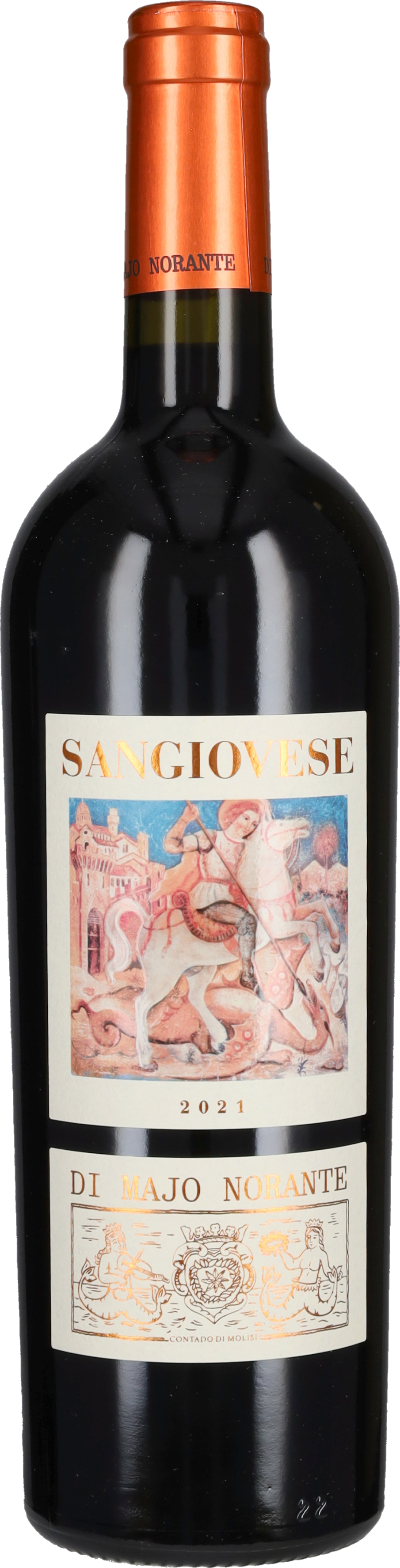
Sangiovese Di Majo Norante 2022The Sangiovese Di Majo Norante is a wine whose class lies in the balance of sensations it brings both to the nose and the palate. Delicate aromas engage the nose in a dance of subtle and clear notes, leading to a broad and decisive sip that guides the tasting with linearity, without any smudging. A bottle that reveals the great potential of the reds from Molise, which, thanks to the impetus of important production realities like Di Majo Norante, is experiencing a true enological renaissance to be monitored closely. The red wine from Di Majo Norante originates from vineyards that are 22 years old, located in the area between Martarosa and Ramitello, characterized by a subsoil mainly composed of limestone. The altitude of the vineyards above sea level ranges from 50 to 100 meters, and the Sangiovese vines grow using the trellis system. The harvest takes place in October, and the must obtained from pressing the grapes ferments in steel, macerating on the skins for about a month, during which malolactic fermentation also occurs.The final aging lasts 3 months in steel, after which the wine, following bottling, remains to stabilize for a short period in glass. The Sangiovese from Di Majo Norante develops in the glass with a concentrated ruby color, endowed with a beautiful brightness. The small red and black berry fruit blends with floral scents, which then shift towards more Mediterranean touches and deeper hints, where a note of leather can be sensed. On the palate, it is medium-bodied, tasty and refreshing, with a sip that flows in the mouth with excellent harmony. A label of personality and depth, which combines ancient peasant knowledge with a vision aimed at the future of Molise winemaking, enhancing the uniqueness of its territories.9,00 £*Shipping: 48,00 £Secure redirect to the provider
-
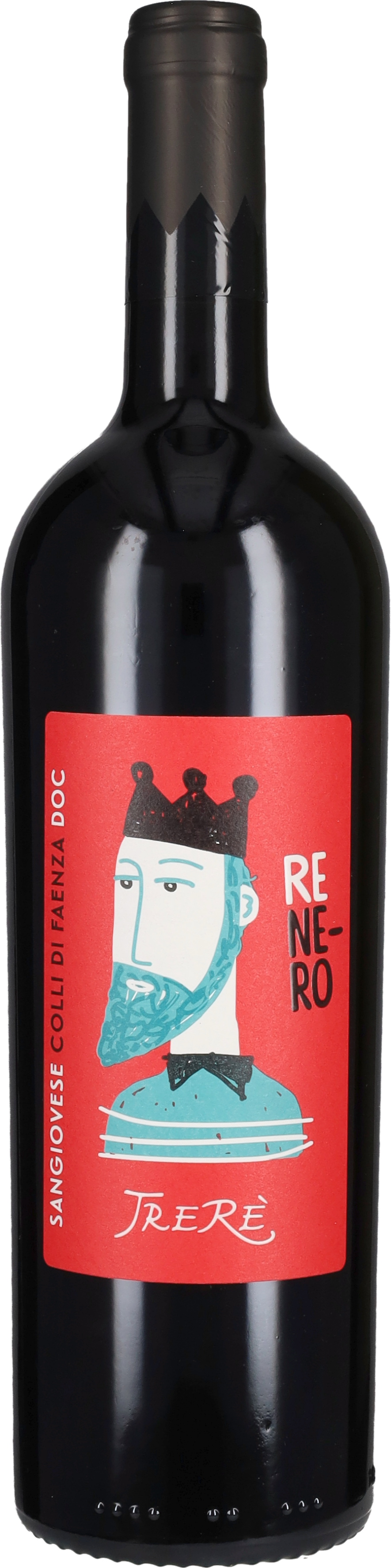
Sangiovese 'Re Nero' Trerè 2023The Sangiovese “Re Nero” from the Trerè winery is a dynamic and expressive red produced on the hills surrounding Faenza, in Emilia-Romagna. This label is made from pure Sangiovese grapes sourced from the Monticoralli vineyard, located at about 150 meters above sea level with an east-southeast exposure. The vines, which have an average age of about 30 years, are trained using the spurred cordon method on medium-textured soils characterized by predominantly clayey soils. The winery, owner of about 35 hectares of vineyards, is a family-run business managed by Morena Trerè and her son Massimiliano Fabbri, who, using modern agronomic and winemaking techniques, have given new impetus to the family business. The “Re Nero” Sangiovese is produced with carefully selected and hand-harvested grapes, generally around the first decade of October. The bunches, upon reaching the winery, are destemmed and gently pressed before undergoing alcoholic fermentation in temperature-controlled stainless steel tanks, with daily pump-overs and a maceration on the skins for a few weeks. Subsequently, the wine undergoes racking with gentle pressing of the skins, after which it remains in aging in French oak barriques for at least 6 months before being bottled for commercial release. The “Re Nero” Sangiovese from Trerè presents itself with a deep ruby red color with slight purple hints. On the nose, intense notes of red fruit and berries appear, including cherry, raspberry, blackberry, and currant, floral notes of violets and red flowers, and spicy hints of vanilla and licorice. On the palate, it is round, slender, fresh, and vibrant, characterized by lively tannins and a slight salinity that makes it pleasant to drink. This Sangiovese from Romagna by the Trerè winery is a juicy, energetic, and easy-drinking red, characterized by a pleasant aromatic profile11,00 £*Shipping: 48,00 £Secure redirect to the provider

-
What is the difference between low culture and high culture in history?
Low culture refers to the cultural activities and products that are considered to be more common, popular, and easily accessible to the general public. This can include things like popular music, television shows, and mass-produced literature. On the other hand, high culture refers to the cultural activities and products that are considered to be more refined, sophisticated, and often associated with the elite or educated classes. This can include things like classical music, fine art, and literature that is considered to be more intellectually challenging. The distinction between low and high culture has been a source of debate and has evolved over time, but it generally reflects the social and class divisions within a society. **
-
Does anyone know about the Islamic Golden Age in architecture and culture?
Yes, the Islamic Golden Age was a period of great cultural and architectural achievements in the Islamic world, spanning from the 8th to the 14th century. During this time, Islamic scholars made significant advancements in fields such as mathematics, astronomy, medicine, and philosophy. In terms of architecture, the Islamic world produced stunning examples of mosques, palaces, and other structures, characterized by intricate geometric patterns, domes, and arches. This period also saw the development of beautiful decorative arts such as calligraphy, ceramics, and textiles. Overall, the Islamic Golden Age left a lasting legacy in both architecture and culture. **
-
What is a question about the history of Romanesque architecture?
How did Romanesque architecture evolve from the earlier Carolingian and Byzantine styles? **
-
What exactly does innovation mean?
Innovation refers to the process of creating new ideas, products, or methods that bring about positive change or improvement. It involves thinking outside the box, taking risks, and challenging the status quo to develop something unique and valuable. Innovation can occur in various fields such as technology, business, science, and art, and is essential for driving progress and growth in society. **
What does innovation mean exactly?
Innovation refers to the process of creating new ideas, products, or methods that bring about positive change or improvement. It involves thinking outside the box, taking risks, and challenging the status quo to develop something that is novel and valuable. Innovation can occur in various fields, such as technology, business, science, and the arts, and it often leads to advancements that benefit society as a whole. Overall, innovation is about pushing boundaries and finding creative solutions to address existing challenges or meet new needs. **
Can you help me with the art, culture, and history exam?
Of course! I can help you with the art, culture, and history exam by providing information, explanations, and answering any specific questions you may have. I can also assist in reviewing key concepts, important figures, and significant events related to these subjects. Feel free to ask me anything you need help with, and I'll do my best to assist you in preparing for your exam. **
Top-Angebote
Products related to Sangiovese:
-
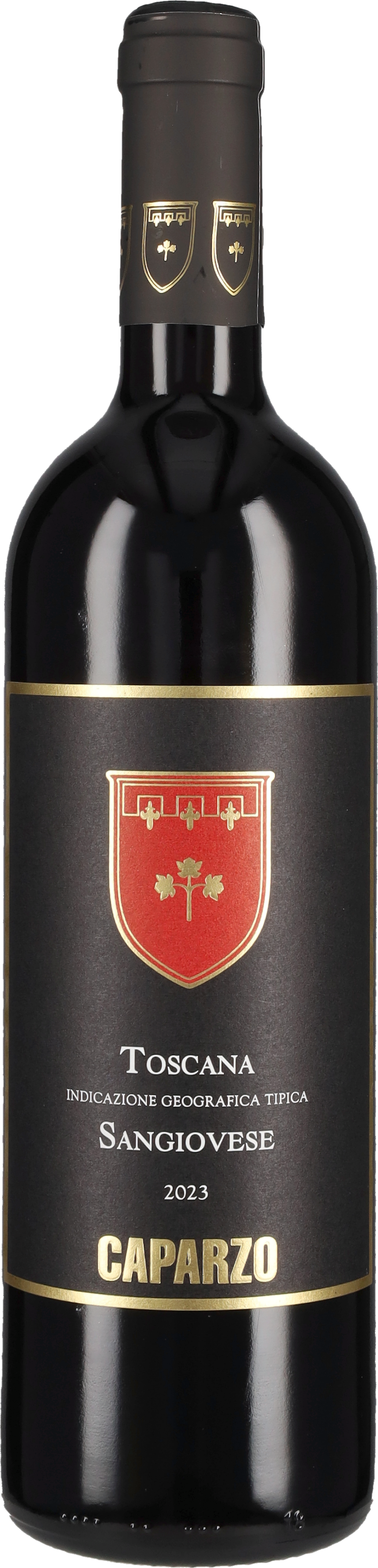
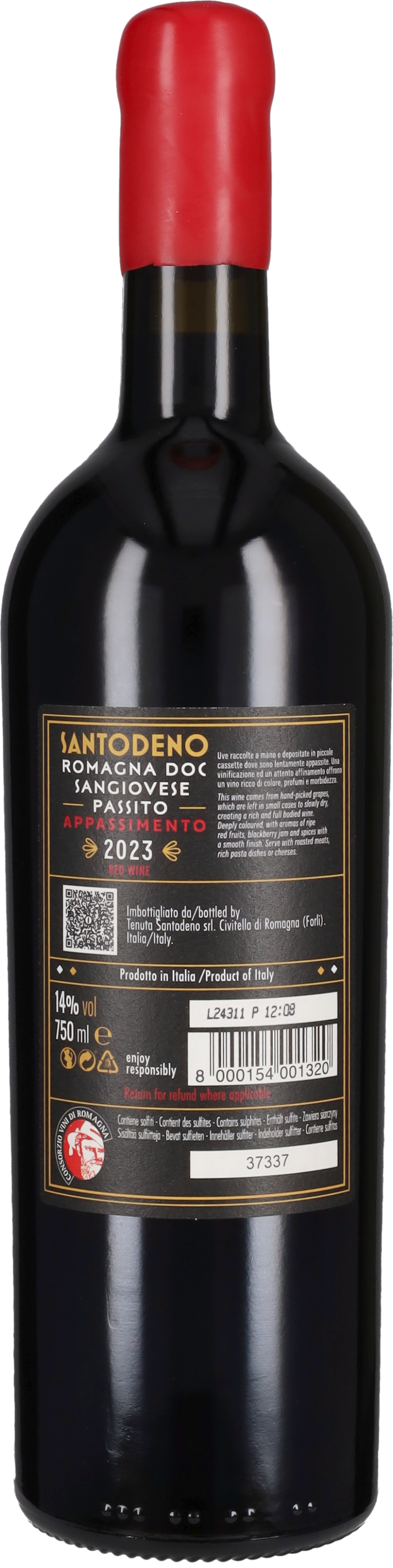
Sangiovese Caparzo 2024Il Sangiovese di Caparzo è un rosso giovane e fruttato, che nasce dal desiderio della proprietà di Elisabetta Gnudi Angelini di creare un’etichetta, non legata a un singolo territorio, ma capace di esprimere e sintetizzare il carattere tradizionale del Sangiovese di Toscana. È, infatti, il risultato dell’assemblaggio delle uve di diverse proprietà di famiglia. Nasce così un vino leggero e armonioso, che sorprende per l’immediata piacevolezza di beva. È un’etichetta molto duttile negli abbinamenti gastronomici, particolarmente adatto ad accompagnare primi piatti saporiti, conditi con sughi di carne o di selvaggina oppure arrosti di carni bianche. Il vino Sangiovese di Caparzo è prodotto con una selezione di uve che provengono da vigneti coltivati nelle tre diverse tenute di famiglia: Caparzo, Borgo Scopeto e Doga delle Clavule. È una scelta che fa della bottiglia un vero emblema della Toscana e del rapporto secolare del territorio con il vitigno Sangiovese. Al termine delle operazioni di vendemmia, le vinificazioni si svolgono separatamente. Le uve provenienti da Montalcino sono sottoposte a una criomacerazione pre-fermentativa alla temperatura di 8 °C per 48 ore, in modo da estrarre tutti i profumi e gli aromi. Segue una fermentazione alla temperatura di 25 °C, con macerazione sulle bucce di una settimana e un arresto anticipato per mantenere un minimo residuo zuccherino e rendere il vino morbido e suadente Il Caparzo Sangiovese è un’etichetta che rappresenta, nel segno dell’eleganza e della finezza, il tradizionale vino da sempre presente sulle tavole della toscana. Una bottiglia facile, ideale da aprire in compagnia in occasione di una cena informale. Nel calice si presenta di colore rosso rubino con giovanili riflessi violacei. Esuberante e intenso, esprime aromi fragranti di ciliegia, di piccoli frutti a bacca scura, sfumature di violetta e delicati cenni di spezie. Il sorso è morbido e scorrevole, caratterizzato da un frutto ricco, succoso e da una trama tannica sottile e delicata, che anticipa un finale armonioso. È una bellissima espressione varietale di Sangiovese in una versione giovane e croccante.8,00 £*Shipping: 48,00 £Secure redirect to the provider
-
Sangiovese 'Frangenti' Podere Ranieri 2020Podere Ranieri's Sangiovese 'Solo' is a refined and complex interpretation of the quintessential Tuscan varietal. The origins of this wine date back to 2013, when owner Michele Ranieri decided to recover an old vineyard that had become abandoned. After two years of difficult and tiring work, the first harvest of this Sangiovese was finally made in 2015, and already observing the quality of the grapes it was clear that all those efforts had paid off. In fact, as the vine ages, it produces less but better, as the roots grow deeper and the berries are increasingly concentrated. Podere Ranieri 'Solo' Sangiovese comes exclusively from grapes of the black grape variety of the same name grown in Massa Marittima following organic farming principles. The old vines take root on soils of a silty-sandy matrix, characterized by an abundant presence of clay and skeleton. Once the clusters reach the ideal degree of ripeness, they are hand-picked into crates and then transferred to the winery for classic red vinification. Alcoholic fermentation takes place in temperature-controlled stainless steel tanks, with a few weeks of maceration on the skins, while the subsequent one-year aging phase takes place in 300-liter wooden tonneaux. Following an additional 12 months of bottle aging, the wine is finally ready for release. To the eye, Podere Ranieri's 'Solo' Sangiovese shows a deep ruby red color. The nose opens on initial fruity hints of blackberry and cherry, followed by floral notes of violet and elegant perceptions of various spices. The sip is broad and deep, fresh and flavorful, with soft, well-integrated tannins that contribute to the important overall structure.28,00 £*Shipping: 48,00 £Secure redirect to the provider
-
Sangiovese Di Majo Norante 2022The Sangiovese Di Majo Norante is a wine whose class lies in the balance of sensations it brings both to the nose and the palate. Delicate aromas engage the nose in a dance of subtle and clear notes, leading to a broad and decisive sip that guides the tasting with linearity, without any smudging. A bottle that reveals the great potential of the reds from Molise, which, thanks to the impetus of important production realities like Di Majo Norante, is experiencing a true enological renaissance to be monitored closely. The red wine from Di Majo Norante originates from vineyards that are 22 years old, located in the area between Martarosa and Ramitello, characterized by a subsoil mainly composed of limestone. The altitude of the vineyards above sea level ranges from 50 to 100 meters, and the Sangiovese vines grow using the trellis system. The harvest takes place in October, and the must obtained from pressing the grapes ferments in steel, macerating on the skins for about a month, during which malolactic fermentation also occurs.The final aging lasts 3 months in steel, after which the wine, following bottling, remains to stabilize for a short period in glass. The Sangiovese from Di Majo Norante develops in the glass with a concentrated ruby color, endowed with a beautiful brightness. The small red and black berry fruit blends with floral scents, which then shift towards more Mediterranean touches and deeper hints, where a note of leather can be sensed. On the palate, it is medium-bodied, tasty and refreshing, with a sip that flows in the mouth with excellent harmony. A label of personality and depth, which combines ancient peasant knowledge with a vision aimed at the future of Molise winemaking, enhancing the uniqueness of its territories.9,00 £*Shipping: 48,00 £Secure redirect to the provider
-
What are electricity and high culture history?
Electricity history refers to the development and use of electricity as a form of energy, including the discovery of electricity, the invention of electric devices, and the establishment of electrical systems. High culture history, on the other hand, refers to the history of cultural and artistic achievements that are considered to be of high quality and sophistication, such as classical music, literature, fine arts, and theater. Both electricity and high culture history have evolved over time, shaping the way we live and appreciate the world around us. **
-
What is a Ruhrgebiet song?
A Ruhrgebiet song is a type of folk song that originates from the Ruhrgebiet region in Germany. These songs often reflect the industrial history and working-class culture of the area, with themes of labor, solidarity, and community. The lyrics are typically in the local dialect and are accompanied by traditional music styles such as folk or polka. Ruhrgebiet songs are a way for the people of the region to celebrate their heritage and express their identity through music. **
-
What is the difference between low culture and high culture in history?
Low culture refers to the cultural activities and products that are considered to be more common, popular, and easily accessible to the general public. This can include things like popular music, television shows, and mass-produced literature. On the other hand, high culture refers to the cultural activities and products that are considered to be more refined, sophisticated, and often associated with the elite or educated classes. This can include things like classical music, fine art, and literature that is considered to be more intellectually challenging. The distinction between low and high culture has been a source of debate and has evolved over time, but it generally reflects the social and class divisions within a society. **
-
Does anyone know about the Islamic Golden Age in architecture and culture?
Yes, the Islamic Golden Age was a period of great cultural and architectural achievements in the Islamic world, spanning from the 8th to the 14th century. During this time, Islamic scholars made significant advancements in fields such as mathematics, astronomy, medicine, and philosophy. In terms of architecture, the Islamic world produced stunning examples of mosques, palaces, and other structures, characterized by intricate geometric patterns, domes, and arches. This period also saw the development of beautiful decorative arts such as calligraphy, ceramics, and textiles. Overall, the Islamic Golden Age left a lasting legacy in both architecture and culture. **
Similar search terms for Sangiovese
-
Sangiovese 'Re Nero' Trerè 2023The Sangiovese “Re Nero” from the Trerè winery is a dynamic and expressive red produced on the hills surrounding Faenza, in Emilia-Romagna. This label is made from pure Sangiovese grapes sourced from the Monticoralli vineyard, located at about 150 meters above sea level with an east-southeast exposure. The vines, which have an average age of about 30 years, are trained using the spurred cordon method on medium-textured soils characterized by predominantly clayey soils. The winery, owner of about 35 hectares of vineyards, is a family-run business managed by Morena Trerè and her son Massimiliano Fabbri, who, using modern agronomic and winemaking techniques, have given new impetus to the family business. The “Re Nero” Sangiovese is produced with carefully selected and hand-harvested grapes, generally around the first decade of October. The bunches, upon reaching the winery, are destemmed and gently pressed before undergoing alcoholic fermentation in temperature-controlled stainless steel tanks, with daily pump-overs and a maceration on the skins for a few weeks. Subsequently, the wine undergoes racking with gentle pressing of the skins, after which it remains in aging in French oak barriques for at least 6 months before being bottled for commercial release. The “Re Nero” Sangiovese from Trerè presents itself with a deep ruby red color with slight purple hints. On the nose, intense notes of red fruit and berries appear, including cherry, raspberry, blackberry, and currant, floral notes of violets and red flowers, and spicy hints of vanilla and licorice. On the palate, it is round, slender, fresh, and vibrant, characterized by lively tannins and a slight salinity that makes it pleasant to drink. This Sangiovese from Romagna by the Trerè winery is a juicy, energetic, and easy-drinking red, characterized by a pleasant aromatic profile11,00 £*Shipping: 48,00 £Secure redirect to the provider
-
What is a question about the history of Romanesque architecture?
How did Romanesque architecture evolve from the earlier Carolingian and Byzantine styles? **
-
What exactly does innovation mean?
Innovation refers to the process of creating new ideas, products, or methods that bring about positive change or improvement. It involves thinking outside the box, taking risks, and challenging the status quo to develop something unique and valuable. Innovation can occur in various fields such as technology, business, science, and art, and is essential for driving progress and growth in society. **
-
What does innovation mean exactly?
Innovation refers to the process of creating new ideas, products, or methods that bring about positive change or improvement. It involves thinking outside the box, taking risks, and challenging the status quo to develop something that is novel and valuable. Innovation can occur in various fields, such as technology, business, science, and the arts, and it often leads to advancements that benefit society as a whole. Overall, innovation is about pushing boundaries and finding creative solutions to address existing challenges or meet new needs. **
-
Can you help me with the art, culture, and history exam?
Of course! I can help you with the art, culture, and history exam by providing information, explanations, and answering any specific questions you may have. I can also assist in reviewing key concepts, important figures, and significant events related to these subjects. Feel free to ask me anything you need help with, and I'll do my best to assist you in preparing for your exam. **
* All prices are inclusive of VAT and, if applicable, plus shipping costs. The offer information is based on the details provided by the respective shop and is updated through automated processes. Real-time updates do not occur, so deviations can occur in individual cases. ** Note: Parts of this content were created by AI.