Buy ruhrgebiet.info ?
We are moving the project
ruhrgebiet.info .
Are you interested in purchasing the domain
ruhrgebiet.info ?
domain@kv-gmbh.de · 0541-91531010
Buy ruhrgebiet.info ?
What crimes did Germany commit during its colonial history?
During its colonial history, Germany committed various crimes in its African colonies, including genocide, forced labor, and exploitation of natural resources. One of the most well-known atrocities was the genocide of the Herero and Nama people in present-day Namibia, where tens of thousands of people were killed in concentration camps. Additionally, Germany imposed harsh labor conditions on the local populations, leading to widespread suffering and death. The exploitation of resources such as rubber and ivory also resulted in environmental destruction and economic exploitation of the colonies. **
Why is Germany's colonial history not taught in detail in history classes?
Germany's colonial history is not taught in detail in history classes for several reasons. Firstly, Germany's colonial empire was relatively short-lived and smaller in comparison to other European powers, such as Britain and France. Therefore, it may not be seen as a significant enough part of German history to warrant extensive coverage. Additionally, Germany's colonial history is often overshadowed by the atrocities of the Nazi regime during World War II, which tends to dominate the focus of history education in Germany. Finally, there may be a reluctance to confront the darker aspects of Germany's colonial past, such as the genocide and exploitation of indigenous peoples, which could be seen as a source of national shame. **

Similar search terms for Colonial
Top-Angebote
Products related to Colonial:
-
Yale University Press Adventurers: The Improbable Rise of the East India Company by David Howarth - Hardback History Book - Tudor & Colonial Trade Non FictionAdventurers: The Improbable Rise of the East India Company tells the true story of how a small band of Tudor merchants, gamblers, and seafarers built the institution that would grow into the largest commercial enterprise in British history. David Howarth strips away the myth of inevitable imperial success to reveal a company that began in chaos, rivalry, and repeated failure. Spanning 1550 to 1650, this is narrative history at its most vivid, perfect for readers of empire, trade, and Tudor-Stuart Britain. The East India Company was a fragile, improbable venture staffed by ambitious merchants willing to risk everything on the strength of a single voyage. In this book, David Howarth traces the Company's roots back to the commercial revolution of Tudor England, when investors first began pooling capital for a single voyage. Published by Yale University Press, this hardback book is a new release with the ISBN 9780300250725.19,79 £*Shipping: 2,99 £Secure redirect to the provider


-
What is colonial policy?
Colonial policy refers to the set of rules, regulations, and practices established by a colonial power to govern its colonies. These policies often involve economic exploitation, political control, and cultural assimilation of the colonized population. Colonial policy can vary widely depending on the specific goals and strategies of the colonizing power, but it generally aims to maintain dominance and extract resources from the colony for the benefit of the colonizer. **
-
What is the colonial heritage?
The colonial heritage refers to the lasting impact of colonization on a region or country. It includes the cultural, social, political, and economic influences left behind by the colonizers. This heritage can manifest in various ways, such as language, religion, legal systems, and societal structures. The colonial heritage often shapes the identity and development of a nation long after the colonizers have left. **
-
Was Spain a colonial power?
Yes, Spain was a major colonial power during the Age of Exploration. It established a vast overseas empire that included territories in the Americas, Africa, Asia, and the Pacific. Spanish explorers and conquistadors played a significant role in the colonization of the Americas, and the Spanish Empire had a profound impact on the cultures, languages, and societies of the regions it colonized. The legacy of Spanish colonialism can still be seen in many parts of the world today. **
-
Which colonial power was the worst?
It is difficult to determine which colonial power was the worst as each had its own atrocities and impacts on the colonized regions. However, some historians argue that the Belgian colonization of the Congo under King Leopold II was particularly brutal, with millions of Congolese people killed or subjected to forced labor. The British Empire also had a significant negative impact on many of its colonies, with policies that exploited resources and oppressed local populations. Ultimately, the impact of colonialism varied depending on the specific region and time period, making it challenging to definitively label one colonial power as the worst. **


What was the Spanish colonial empire?
The Spanish colonial empire was a vast overseas territory controlled by Spain from the late 15th century to the early 19th century. It included territories in the Americas, Africa, Asia, and the Pacific, and was one of the largest empires in history. The empire was established through exploration, conquest, and colonization, and it played a significant role in shaping the culture, language, and society of the regions it controlled. The Spanish colonial empire had a lasting impact on the indigenous populations and the territories it ruled, and its legacy can still be seen in many parts of the world today. **
What is the history of the colonies in Africa and the colonial powers?
The history of colonies in Africa dates back to the late 19th century when European powers, such as Britain, France, Germany, Belgium, Portugal, and Italy, colonized various regions of the continent. The colonization of Africa was driven by the desire for resources, markets, and strategic advantages. The Berlin Conference of 1884-1885 formalized the scramble for Africa and divided the continent among European powers, leading to the exploitation and subjugation of African peoples. The colonial period lasted until the mid-20th century when African nations began to gain independence through decolonization movements. **
Top-Angebote
Products related to Colonial:
-
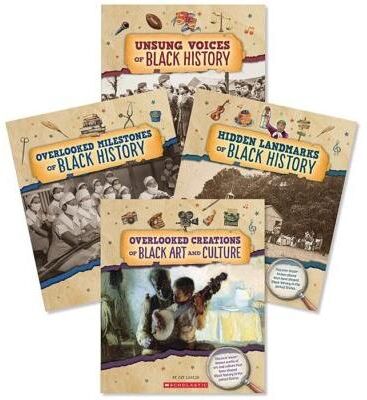
From the Archives: Black History and Culture Value PackThis brand-new series is rooted in a profound commitment to shedding light on some of the important -- and often lesser-known -- aspects of Black history. From the Archives features landmarks, events, people, and artistic endeavors that have played...27,99 $*Shipping: 0,00 $Secure redirect to the provider
-
Yale University Press Adventurers: The Improbable Rise of the East India Company by David Howarth - Hardback History Book - Tudor & Colonial Trade Non FictionAdventurers: The Improbable Rise of the East India Company tells the true story of how a small band of Tudor merchants, gamblers, and seafarers built the institution that would grow into the largest commercial enterprise in British history. David Howarth strips away the myth of inevitable imperial success to reveal a company that began in chaos, rivalry, and repeated failure. Spanning 1550 to 1650, this is narrative history at its most vivid, perfect for readers of empire, trade, and Tudor-Stuart Britain. The East India Company was a fragile, improbable venture staffed by ambitious merchants willing to risk everything on the strength of a single voyage. In this book, David Howarth traces the Company's roots back to the commercial revolution of Tudor England, when investors first began pooling capital for a single voyage. Published by Yale University Press, this hardback book is a new release with the ISBN 9780300250725.19,79 £*Shipping: 2,99 £Secure redirect to the provider
-
What crimes did Germany commit during its colonial history?
During its colonial history, Germany committed various crimes in its African colonies, including genocide, forced labor, and exploitation of natural resources. One of the most well-known atrocities was the genocide of the Herero and Nama people in present-day Namibia, where tens of thousands of people were killed in concentration camps. Additionally, Germany imposed harsh labor conditions on the local populations, leading to widespread suffering and death. The exploitation of resources such as rubber and ivory also resulted in environmental destruction and economic exploitation of the colonies. **
-
Why is Germany's colonial history not taught in detail in history classes?
Germany's colonial history is not taught in detail in history classes for several reasons. Firstly, Germany's colonial empire was relatively short-lived and smaller in comparison to other European powers, such as Britain and France. Therefore, it may not be seen as a significant enough part of German history to warrant extensive coverage. Additionally, Germany's colonial history is often overshadowed by the atrocities of the Nazi regime during World War II, which tends to dominate the focus of history education in Germany. Finally, there may be a reluctance to confront the darker aspects of Germany's colonial past, such as the genocide and exploitation of indigenous peoples, which could be seen as a source of national shame. **
-
What is colonial policy?
Colonial policy refers to the set of rules, regulations, and practices established by a colonial power to govern its colonies. These policies often involve economic exploitation, political control, and cultural assimilation of the colonized population. Colonial policy can vary widely depending on the specific goals and strategies of the colonizing power, but it generally aims to maintain dominance and extract resources from the colony for the benefit of the colonizer. **
-
What is the colonial heritage?
The colonial heritage refers to the lasting impact of colonization on a region or country. It includes the cultural, social, political, and economic influences left behind by the colonizers. This heritage can manifest in various ways, such as language, religion, legal systems, and societal structures. The colonial heritage often shapes the identity and development of a nation long after the colonizers have left. **
Similar search terms for Colonial
-
Novica Handmade Sunny Colonial Cutlery Ceramic Silverware ServerKeep your flatware and table utensils neatly stored, organized, and within easy reach. Crafted by Ivan Martinez, this hand-painted three-section holder separates knives, forks, and spoons.67,99 $*Shipping: 0,00 $Secure redirect to the provider
-
VHC Brands Colonial Star Jute Oval Runner 13x48Create a cozy and casual table for friends and family to gather round with traditional colors and classic texture. The Colonial Star Jute Runner includes one oval table runner measuring 13x48 inches made from a premium Jute blend.39,95 $*Shipping: 0,00 $Secure redirect to the provider
-
Was Spain a colonial power?
Yes, Spain was a major colonial power during the Age of Exploration. It established a vast overseas empire that included territories in the Americas, Africa, Asia, and the Pacific. Spanish explorers and conquistadors played a significant role in the colonization of the Americas, and the Spanish Empire had a profound impact on the cultures, languages, and societies of the regions it colonized. The legacy of Spanish colonialism can still be seen in many parts of the world today. **
-
Which colonial power was the worst?
It is difficult to determine which colonial power was the worst as each had its own atrocities and impacts on the colonized regions. However, some historians argue that the Belgian colonization of the Congo under King Leopold II was particularly brutal, with millions of Congolese people killed or subjected to forced labor. The British Empire also had a significant negative impact on many of its colonies, with policies that exploited resources and oppressed local populations. Ultimately, the impact of colonialism varied depending on the specific region and time period, making it challenging to definitively label one colonial power as the worst. **
-
What was the Spanish colonial empire?
The Spanish colonial empire was a vast overseas territory controlled by Spain from the late 15th century to the early 19th century. It included territories in the Americas, Africa, Asia, and the Pacific, and was one of the largest empires in history. The empire was established through exploration, conquest, and colonization, and it played a significant role in shaping the culture, language, and society of the regions it controlled. The Spanish colonial empire had a lasting impact on the indigenous populations and the territories it ruled, and its legacy can still be seen in many parts of the world today. **
-
What is the history of the colonies in Africa and the colonial powers?
The history of colonies in Africa dates back to the late 19th century when European powers, such as Britain, France, Germany, Belgium, Portugal, and Italy, colonized various regions of the continent. The colonization of Africa was driven by the desire for resources, markets, and strategic advantages. The Berlin Conference of 1884-1885 formalized the scramble for Africa and divided the continent among European powers, leading to the exploitation and subjugation of African peoples. The colonial period lasted until the mid-20th century when African nations began to gain independence through decolonization movements. **
* All prices are inclusive of VAT and, if applicable, plus shipping costs. The offer information is based on the details provided by the respective shop and is updated through automated processes. Real-time updates do not occur, so deviations can occur in individual cases. ** Note: Parts of this content were created by AI.