Buy ruhrgebiet.info ?
We are moving the project
ruhrgebiet.info .
Are you interested in purchasing the domain
ruhrgebiet.info ?
domain@kv-gmbh.de · 0541-91531010
Buy ruhrgebiet.info ?
What is a narcissistic culture of conflict?
A narcissistic culture of conflict is a social environment in which individuals prioritize their own needs, desires, and opinions above all else, often at the expense of others. In this culture, there is a lack of empathy and consideration for others, and a strong emphasis on winning, power, and control. Conflict is often fueled by a sense of entitlement, self-importance, and a need for validation and admiration. This can lead to toxic and destructive interpersonal dynamics, as well as a lack of cooperation and compromise in resolving conflicts. **
What does the conflict culture look like in Somalia?
The conflict culture in Somalia is characterized by a long history of clan-based conflicts, political instability, and violence. Clan identities play a significant role in shaping social relationships and political dynamics, often leading to competition and violence between different groups. The presence of armed groups, such as Al-Shabaab, further exacerbates the conflict culture in the country. Additionally, the lack of a strong central government and the prevalence of corruption contribute to the perpetuation of conflict and instability in Somalia. **
Similar search terms for Conflict
Top-Angebote
Products related to Conflict:
-
From the Archives: Black History and Culture Value PackThis brand-new series is rooted in a profound commitment to shedding light on some of the important -- and often lesser-known -- aspects of Black history. From the Archives features landmarks, events, people, and artistic endeavors that have played...27,99 $*Shipping: 0,00 $Secure redirect to the provider
-
The 33 Strategies of War by Robert Greene - Profile Books Paperback - Bestselling Guide to Strategy, Power & Conflict for Leaders and StrategistsDiscover the timeless strategies of war with Robert Greene's masterful guide. This UK paperback distils the tactics of history's greatest minds into thirty-three practical strategies, drawing on thousands of years of military history, political manoeuvring and philosophical thought. It is a natural companion to Sun Tzu's The Art of War and a must-read for fans of Greene's The 48 Laws of Power. The book spans world civilisations and synthesises dozens of political, philosophical and religious texts, making it a comprehensive guide to strategy and conflict. With real-world examples drawn from powerful figures including Napoleon, Margaret Thatcher, Shaka the Zulu and Hannibal, each of the thirty-three chapters lays out a distinct strategy to help readers navigate life's challenges.12,49 £*Shipping: 2,99 £Secure redirect to the provider
-
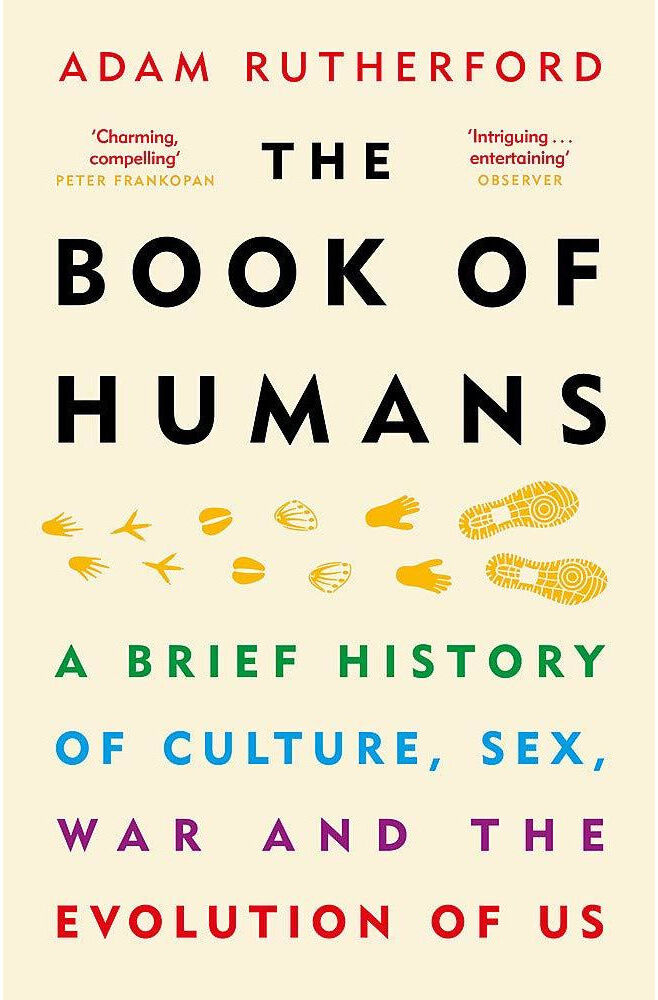
Orion The Book of Humans by Adam Rutherford – A Brief History of Culture, Sex, War & EvolutionWHAT MAKES US HUMAN? Waging war? Sex for pleasure? Creating art? Mastery of fire? In this thrilling tour of the animal kingdom, Adam Rutherford tells the story of how we became the unique creatures we are today. Illuminated by the latest scientific discoveries, THE BOOK OF HUMANS is a dazzling compendium of what unequivocally fixes us as animals, and reveals how we are extraordinary among them.4,98 £*Shipping: 1,99 £Secure redirect to the provider
-
Superfresco Easy Industry Black WallpaperThe combination of deep charcoal and steel grey colors create a depth and atmosphere to this paper which will reflect in your home. Style with matt concrete textures and glossy metallic finishes to complete your scheme.60,00 $*Shipping: 0,00 $Secure redirect to the provider



-
What is the difference between an evaluation conflict, a relationship conflict, and a distribution conflict?
An evaluation conflict arises when there are differing opinions on the quality or effectiveness of work or ideas. This type of conflict is focused on the merit of the work itself. Relationship conflicts, on the other hand, involve interpersonal tensions and issues between individuals, often unrelated to the work itself. Distribution conflicts occur when there are disagreements over the allocation of resources, such as money, time, or responsibilities. Each type of conflict requires different approaches and strategies for resolution. **
-
What is the difference between interrole conflict and intrarole conflict?
Interrole conflict occurs when the expectations of different roles a person holds are in conflict with each other. For example, a person may experience interrole conflict when the demands of their work role conflict with the demands of their family role. On the other hand, intrarole conflict occurs when the expectations within a single role are in conflict with each other. For instance, a manager may experience intrarole conflict when they are torn between being supportive and being assertive with their team members. In summary, interrole conflict involves conflicts between different roles, while intrarole conflict involves conflicts within a single role. **
-
What is the history of the Balkan conflict in 9th grade?
In 9th grade, students typically learn about the history of the Balkan conflict, which includes the breakup of Yugoslavia in the early 1990s. This led to a series of wars and conflicts in the region, including the Bosnian War, Croatian War of Independence, and Kosovo War. The conflicts were fueled by ethnic and religious tensions, as well as political and territorial disputes. Students also learn about the role of international intervention, such as the United Nations and NATO, in trying to bring peace to the region. **
-
What is the difference between a conflict and a social conflict?
A conflict is a general term that refers to any disagreement or struggle between two or more parties. It can be personal, professional, or societal in nature. On the other hand, a social conflict specifically refers to a disagreement or struggle between different social groups or classes within a society. Social conflicts often involve issues related to power, resources, and social inequality, and they can have a significant impact on the functioning of a society as a whole. **

What is the history of the Balkan conflict in the 9th grade?
In 9th grade, students typically learn about the history of the Balkan conflict, which includes the complex and intertwined ethnic, religious, and political tensions in the region. They study the breakup of Yugoslavia in the 1990s, the wars in Croatia, Bosnia, and Kosovo, and the role of various ethnic groups and leaders in the conflicts. Students also learn about the intervention of the international community, the Dayton Accords, and the long-term impact of the Balkan conflict on the region and the world. Overall, the history of the Balkan conflict in 9th grade provides students with an understanding of the complexities of ethnic and political tensions and the importance of diplomacy and conflict resolution. **
What does the caricature show about the East-West conflict in history?
The caricature shows a Western figure, representing the West, standing on top of an Eastern figure, representing the East, with a smug and superior expression. This reflects the historical power dynamics and conflicts between the East and West, with the West often exerting dominance and control over the East. It highlights the unequal power relations, exploitation, and cultural imperialism that have characterized the East-West conflict throughout history. The caricature also suggests the arrogance and sense of superiority that the West has often displayed towards the East, perpetuating a narrative of Western superiority and Eastern inferiority. **
Top-Angebote
Products related to Conflict:
-
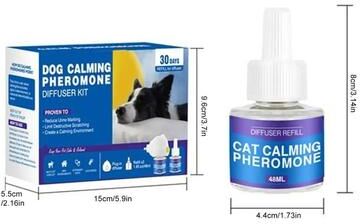
Uplift Essentials 60 Day Calming Pheromone Refill Long Lasting Stress & Conflict Relief For Cats dog LavenderMaintain a peaceful, multicat household with the 60Day Calming Pheromone Refill. This highcapacity refill is specifically formulated to reduce tension, fighting, and territorial conflict among cats. By releasing a constant stream of synthetic...61,97 $*Shipping: 0,00 $Secure redirect to the provider
-
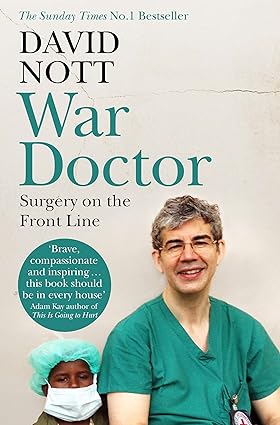
War Doctor: Surgery on the Front Line by David Nott - Paperback Memoir - Frontline Conflict Surgery True Story - PicadorWar Doctor: Surgery on the Front Line is the searing true memoir of David Nott, a surgeon who has spent over twenty-five years volunteering in the world's most dangerous war zones. This paperback account follows Nott from besieged Sarajevo to underground hospitals in Aleppo, revealing the extraordinary skill, courage, and moral weight of operating where help is scarce and danger constant. For more than two and a half decades, David Nott has taken unpaid leave from his NHS post as a general and vascular surgeon to work in some of the planet's most hostile environments. The book traces his journeys through Sarajevo under siege in 1993, rebel-held eastern Aleppo, and a string of conflicts that map the shape of modern warfare. It is essential reading for anyone drawn to real-life stories of resilience, medicine, and conflict.4,99 £*Shipping: 2,99 £Secure redirect to the provider
-
From the Archives: Black History and Culture Value PackThis brand-new series is rooted in a profound commitment to shedding light on some of the important -- and often lesser-known -- aspects of Black history. From the Archives features landmarks, events, people, and artistic endeavors that have played...27,99 $*Shipping: 0,00 $Secure redirect to the provider
-
The 33 Strategies of War by Robert Greene - Profile Books Paperback - Bestselling Guide to Strategy, Power & Conflict for Leaders and StrategistsDiscover the timeless strategies of war with Robert Greene's masterful guide. This UK paperback distils the tactics of history's greatest minds into thirty-three practical strategies, drawing on thousands of years of military history, political manoeuvring and philosophical thought. It is a natural companion to Sun Tzu's The Art of War and a must-read for fans of Greene's The 48 Laws of Power. The book spans world civilisations and synthesises dozens of political, philosophical and religious texts, making it a comprehensive guide to strategy and conflict. With real-world examples drawn from powerful figures including Napoleon, Margaret Thatcher, Shaka the Zulu and Hannibal, each of the thirty-three chapters lays out a distinct strategy to help readers navigate life's challenges.12,49 £*Shipping: 2,99 £Secure redirect to the provider
-
What is a narcissistic culture of conflict?
A narcissistic culture of conflict is a social environment in which individuals prioritize their own needs, desires, and opinions above all else, often at the expense of others. In this culture, there is a lack of empathy and consideration for others, and a strong emphasis on winning, power, and control. Conflict is often fueled by a sense of entitlement, self-importance, and a need for validation and admiration. This can lead to toxic and destructive interpersonal dynamics, as well as a lack of cooperation and compromise in resolving conflicts. **
-
What does the conflict culture look like in Somalia?
The conflict culture in Somalia is characterized by a long history of clan-based conflicts, political instability, and violence. Clan identities play a significant role in shaping social relationships and political dynamics, often leading to competition and violence between different groups. The presence of armed groups, such as Al-Shabaab, further exacerbates the conflict culture in the country. Additionally, the lack of a strong central government and the prevalence of corruption contribute to the perpetuation of conflict and instability in Somalia. **
-
What is the difference between an evaluation conflict, a relationship conflict, and a distribution conflict?
An evaluation conflict arises when there are differing opinions on the quality or effectiveness of work or ideas. This type of conflict is focused on the merit of the work itself. Relationship conflicts, on the other hand, involve interpersonal tensions and issues between individuals, often unrelated to the work itself. Distribution conflicts occur when there are disagreements over the allocation of resources, such as money, time, or responsibilities. Each type of conflict requires different approaches and strategies for resolution. **
-
What is the difference between interrole conflict and intrarole conflict?
Interrole conflict occurs when the expectations of different roles a person holds are in conflict with each other. For example, a person may experience interrole conflict when the demands of their work role conflict with the demands of their family role. On the other hand, intrarole conflict occurs when the expectations within a single role are in conflict with each other. For instance, a manager may experience intrarole conflict when they are torn between being supportive and being assertive with their team members. In summary, interrole conflict involves conflicts between different roles, while intrarole conflict involves conflicts within a single role. **
Similar search terms for Conflict
-
Orion The Book of Humans by Adam Rutherford – A Brief History of Culture, Sex, War & EvolutionWHAT MAKES US HUMAN? Waging war? Sex for pleasure? Creating art? Mastery of fire? In this thrilling tour of the animal kingdom, Adam Rutherford tells the story of how we became the unique creatures we are today. Illuminated by the latest scientific discoveries, THE BOOK OF HUMANS is a dazzling compendium of what unequivocally fixes us as animals, and reveals how we are extraordinary among them.4,98 £*Shipping: 1,99 £Secure redirect to the provider
-
Superfresco Easy Industry Black WallpaperThe combination of deep charcoal and steel grey colors create a depth and atmosphere to this paper which will reflect in your home. Style with matt concrete textures and glossy metallic finishes to complete your scheme.60,00 $*Shipping: 0,00 $Secure redirect to the provider
-
Timeline Refresh 2026 - Clutch Box by Zygomatic, Card Game for 2-4 Players, Ages 10+, History and Culture TriviaTest your knowledge of history, culture, and everyday events with Timeline Refresh 2026, a compact card game for family and friends. Each round challenges players to place event cards in the correct chronological position, using the timeline already on the table as their guide. Choose an event card, estimate when it happened, and add it to the timeline. If your placement is correct, the card remains in play; if not, it is removed. The first player to position all their cards correctly wins. The game's accessible rules and varied subject matter make it an engaging way to challenge your memory and learn interesting facts while playing. The clutch box format is designed for convenient storage and portability.10,29 £*Shipping: 3,95 £Secure redirect to the provider
-
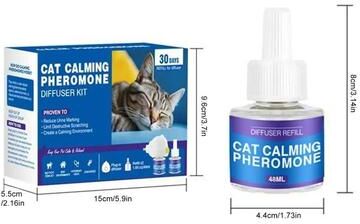
Uplift Essentials 60 Day Calming Pheromone Refill Long Lasting Stress & Conflict Relief For Cats cat LavenderMaintain a peaceful, multicat household with the 60Day Calming Pheromone Refill. This highcapacity refill is specifically formulated to reduce tension, fighting, and territorial conflict among cats. By releasing a constant stream of synthetic...61,97 $*Shipping: 0,00 $Secure redirect to the provider
-
What is the history of the Balkan conflict in 9th grade?
In 9th grade, students typically learn about the history of the Balkan conflict, which includes the breakup of Yugoslavia in the early 1990s. This led to a series of wars and conflicts in the region, including the Bosnian War, Croatian War of Independence, and Kosovo War. The conflicts were fueled by ethnic and religious tensions, as well as political and territorial disputes. Students also learn about the role of international intervention, such as the United Nations and NATO, in trying to bring peace to the region. **
-
What is the difference between a conflict and a social conflict?
A conflict is a general term that refers to any disagreement or struggle between two or more parties. It can be personal, professional, or societal in nature. On the other hand, a social conflict specifically refers to a disagreement or struggle between different social groups or classes within a society. Social conflicts often involve issues related to power, resources, and social inequality, and they can have a significant impact on the functioning of a society as a whole. **
-
What is the history of the Balkan conflict in the 9th grade?
In 9th grade, students typically learn about the history of the Balkan conflict, which includes the complex and intertwined ethnic, religious, and political tensions in the region. They study the breakup of Yugoslavia in the 1990s, the wars in Croatia, Bosnia, and Kosovo, and the role of various ethnic groups and leaders in the conflicts. Students also learn about the intervention of the international community, the Dayton Accords, and the long-term impact of the Balkan conflict on the region and the world. Overall, the history of the Balkan conflict in 9th grade provides students with an understanding of the complexities of ethnic and political tensions and the importance of diplomacy and conflict resolution. **
-
What does the caricature show about the East-West conflict in history?
The caricature shows a Western figure, representing the West, standing on top of an Eastern figure, representing the East, with a smug and superior expression. This reflects the historical power dynamics and conflicts between the East and West, with the West often exerting dominance and control over the East. It highlights the unequal power relations, exploitation, and cultural imperialism that have characterized the East-West conflict throughout history. The caricature also suggests the arrogance and sense of superiority that the West has often displayed towards the East, perpetuating a narrative of Western superiority and Eastern inferiority. **
* All prices are inclusive of VAT and, if applicable, plus shipping costs. The offer information is based on the details provided by the respective shop and is updated through automated processes. Real-time updates do not occur, so deviations can occur in individual cases. ** Note: Parts of this content were created by AI.