Buy ruhrgebiet.info ?
We are moving the project
ruhrgebiet.info .
Are you interested in purchasing the domain
ruhrgebiet.info ?
domain@kv-gmbh.de · 0541-91531010
Buy ruhrgebiet.info ?
Can a dairy industry laboratory technician learn, but work as a chemical laboratory technician?
Yes, a dairy industry laboratory technician can learn the skills necessary to work as a chemical laboratory technician. Both roles require a strong understanding of laboratory procedures, equipment, and safety protocols. Additionally, the skills and knowledge gained from working in a dairy industry laboratory, such as analytical testing and quality control, can be transferable to a chemical laboratory setting. With additional training and education in chemical analysis and testing methods, a dairy industry laboratory technician can transition to a role as a chemical laboratory technician. **
What are laboratory work and laboratory equipment?
Laboratory work refers to the practical activities and experiments conducted in a controlled environment to investigate and explore scientific phenomena. This work is typically carried out in a laboratory setting, where researchers and students can manipulate variables and observe outcomes. Laboratory equipment includes a wide range of tools and instruments used to conduct experiments, analyze samples, and measure various parameters. This equipment can include items such as microscopes, beakers, test tubes, pipettes, and various specialized instruments for specific scientific disciplines. Together, laboratory work and equipment are essential components of scientific research and education, allowing for hands-on exploration and discovery in the field of science. **
Similar search terms for Laboratory
Top-Angebote
Products related to Laboratory:
-
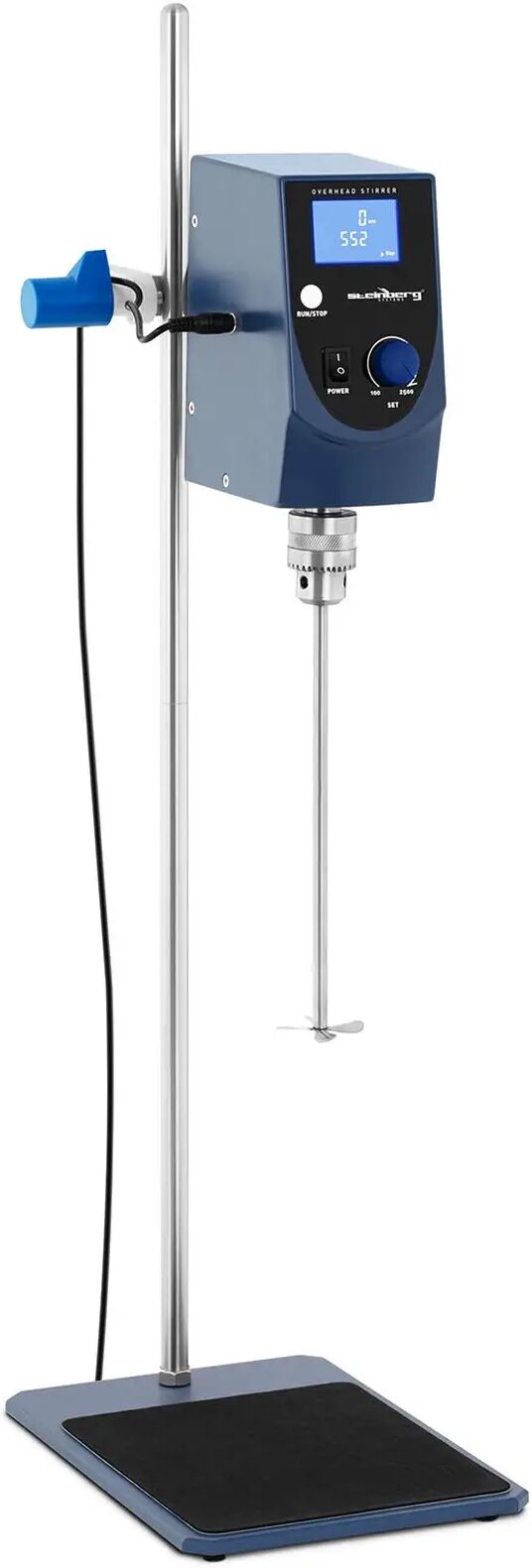
Steinberg Systems Overhead laboratory stirrer - up to 40 l - 100 - 2500 rpm - timer SBS-MR-2540The laboratory stirrer from Steinberg Systems industrial supplies guarantees the optimum mixture in the laboratory or workshop. Even prolonged stirring or mixing of highly viscous substances such as honey, cream, oil or paint is no problem for the Stirrer. Developed for professional use, the powerful overhead stirrer is perfect for lengthy mixing processes in companies in the pharmaceutical industry, biology and chemistry, in laboratories, in education and research and in other fields of work. The brushless motor with copper winding generates with only 80 W, a speed of up to 100 - 2500 rpm (±1 %). This can be set precisely via the display. Thanks to the high speed, you can also mix liquids with high viscosity and in quantities of up to 40 l evenly and consume very little power. The construction of the overhead stirrer is as simple as it is effective. On the stable and 20 x 30 cm large standing surface, there is enough space for Erlenmeyer flasks and glass containers. You can attach the laboratory stirrer flexibly to the stand and set it up perfectly for a wide range of vessels. The measuring stainless steel stirring rod is simply guided into the open container to mix the liquid evenly and powerfully at the set speed. The integrated timer simplifies the application and ensures the best results.320,00 £*Shipping: 0,00 £Secure redirect to the provider
-
On Spot Shop Transparent Borosilicate Glass Measuring Cup With Clear Scale, Laboratory Beaker, Kitchen Baking Tool, Durable Measuring 1000mlPremium Quality Measuring Cup for Precision and Durability This Transparent High Borosilicate Glass Measuring Cup Clear Scale Cup Laboratory Beaker Kitchen Tool Baking Measuring Cups 5001000ml is crafted for accuracy and reliability. Made from...21,97 $*Shipping: 0,00 $Secure redirect to the provider
-
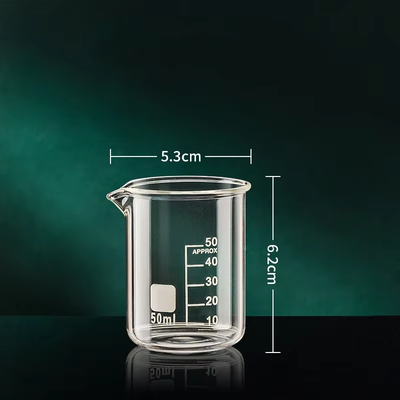
Smart Shopping Spot Multifunction High Borosilicate Glass Beaker, Clear Measuring Cup With Scale For Home And Laboratory Use 50mlHighQuality and Durable Construction Made from high borosilicate glass, this clear measuring cup is designed for precision and durability. Whether you're working in the kitchen or laboratory, it provides accurate measurements, withstanding both...29,97 $*Shipping: 0,00 $Secure redirect to the provider
-
From the Archives: Black History and Culture Value PackThis brand-new series is rooted in a profound commitment to shedding light on some of the important -- and often lesser-known -- aspects of Black history. From the Archives features landmarks, events, people, and artistic endeavors that have played...27,99 $*Shipping: 0,00 $Secure redirect to the provider


-
Which laboratory?
The laboratory in question is the one located on the third floor of the science building. It is equipped with state-of-the-art equipment for conducting various experiments and research projects. The laboratory is used by students and faculty members from the science department for hands-on learning and scientific investigations. **
-
What do biology laboratory technicians and chemistry laboratory technicians do?
Biology laboratory technicians assist scientists in conducting experiments and research related to living organisms. They may prepare samples, analyze data, and maintain laboratory equipment. Chemistry laboratory technicians, on the other hand, support chemists in carrying out experiments and investigations involving chemicals. They may help with measuring and mixing chemicals, running tests, and ensuring the accuracy of results. Both types of technicians play a crucial role in the smooth operation of scientific research and experiments. **
-
Can chemical laboratory technicians and biology laboratory technicians produce pharmaceuticals?
Yes, both chemical laboratory technicians and biology laboratory technicians can play a role in the production of pharmaceuticals. Chemical laboratory technicians may be involved in the synthesis and analysis of chemical compounds used in pharmaceuticals, while biology laboratory technicians may work on the development and testing of biological products such as vaccines or biopharmaceuticals. Both types of technicians are essential in ensuring the quality and safety of pharmaceutical products. **
-
How can I switch from the food industry to the pharmaceutical industry as a laboratory technician?
To switch from the food industry to the pharmaceutical industry as a laboratory technician, you can start by gaining relevant education and training in pharmaceutical laboratory techniques and procedures. Look for courses or certifications that focus on pharmaceutical analysis, quality control, and regulatory compliance. Networking with professionals in the pharmaceutical industry and attending industry events can also help you learn about job opportunities and make connections. Tailor your resume and cover letter to highlight any transferable skills and experiences from your work in the food industry that are relevant to the pharmaceutical industry. Finally, be open to entry-level positions or internships to gain experience and prove your capabilities in the pharmaceutical laboratory setting. **

What is laboratory work?
Laboratory work refers to the practical aspect of scientific research or experimentation conducted in a controlled environment known as a laboratory. It involves hands-on activities such as conducting experiments, collecting data, analyzing results, and drawing conclusions based on observations. Laboratory work is essential in various fields such as chemistry, biology, physics, and engineering to test hypotheses, validate theories, and advance scientific knowledge. It requires precision, attention to detail, and adherence to safety protocols to ensure accurate and reliable results. **
What are the professions in the field of laboratory work, such as chemical laboratory technician or medical-technical laboratory assistant?
Professions in the field of laboratory work include chemical laboratory technician, medical-technical laboratory assistant, clinical laboratory scientist, and research laboratory technician. Chemical laboratory technicians work in various industries, conducting experiments and analyzing substances. Medical-technical laboratory assistants work in healthcare settings, performing tests and analyzing samples to aid in the diagnosis and treatment of patients. Clinical laboratory scientists oversee the work of laboratory technicians and perform complex tests to help diagnose and treat diseases. Research laboratory technicians work in scientific research settings, assisting with experiments and analyzing data. **
Top-Angebote
Products related to Laboratory:
-
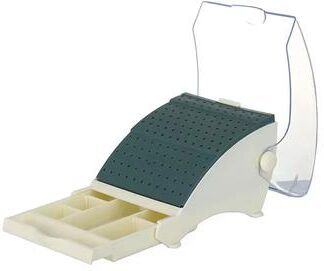
Discount Dollar Deals Dentistry Laboratory Instruments Dental Bur Holder Plastic Sterilizer, Drill Bits Block Placement Case Disinfection Box Dentistry Laboratory Instruments Dental Bur Holder Plastic Sterilizer, Drill Bits Block Placement Case DisinfectiKeep your essential dental tools protected, organized, and ready for every procedure with this reliable Dental Bur Holder Plastic Sterilizer Placement Case Disinfection Box Drill Bits Block Dentistry Laboratory Instruments. Designed for...74,97 $*Shipping: 0,00 $Secure redirect to the provider
-
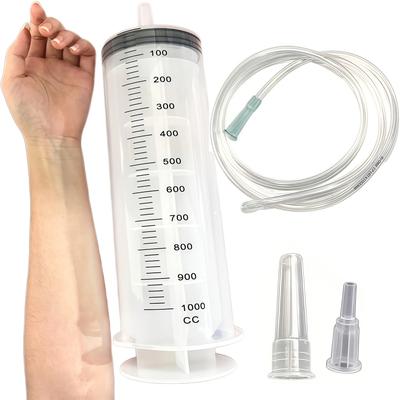
Uplifted Goods Large Capacity 1000ml Plastic Syringe Set For Laboratory And Home Use 1 SetSimplify your projects with this large capacity syringe set designed for versatile use. With a full 1000ml volume, its perfect for scientific labs, plant irrigation, aquarium care, liquid transfers, and even large animal feeding. The clear plastic...61,97 $*Shipping: 0,00 $Secure redirect to the provider
-
Steinberg Systems Overhead laboratory stirrer - up to 40 l - 100 - 2500 rpm - timer SBS-MR-2540The laboratory stirrer from Steinberg Systems industrial supplies guarantees the optimum mixture in the laboratory or workshop. Even prolonged stirring or mixing of highly viscous substances such as honey, cream, oil or paint is no problem for the Stirrer. Developed for professional use, the powerful overhead stirrer is perfect for lengthy mixing processes in companies in the pharmaceutical industry, biology and chemistry, in laboratories, in education and research and in other fields of work. The brushless motor with copper winding generates with only 80 W, a speed of up to 100 - 2500 rpm (±1 %). This can be set precisely via the display. Thanks to the high speed, you can also mix liquids with high viscosity and in quantities of up to 40 l evenly and consume very little power. The construction of the overhead stirrer is as simple as it is effective. On the stable and 20 x 30 cm large standing surface, there is enough space for Erlenmeyer flasks and glass containers. You can attach the laboratory stirrer flexibly to the stand and set it up perfectly for a wide range of vessels. The measuring stainless steel stirring rod is simply guided into the open container to mix the liquid evenly and powerfully at the set speed. The integrated timer simplifies the application and ensures the best results.320,00 £*Shipping: 0,00 £Secure redirect to the provider
-
On Spot Shop Transparent Borosilicate Glass Measuring Cup With Clear Scale, Laboratory Beaker, Kitchen Baking Tool, Durable Measuring 1000mlPremium Quality Measuring Cup for Precision and Durability This Transparent High Borosilicate Glass Measuring Cup Clear Scale Cup Laboratory Beaker Kitchen Tool Baking Measuring Cups 5001000ml is crafted for accuracy and reliability. Made from...21,97 $*Shipping: 0,00 $Secure redirect to the provider
-
Can a dairy industry laboratory technician learn, but work as a chemical laboratory technician?
Yes, a dairy industry laboratory technician can learn the skills necessary to work as a chemical laboratory technician. Both roles require a strong understanding of laboratory procedures, equipment, and safety protocols. Additionally, the skills and knowledge gained from working in a dairy industry laboratory, such as analytical testing and quality control, can be transferable to a chemical laboratory setting. With additional training and education in chemical analysis and testing methods, a dairy industry laboratory technician can transition to a role as a chemical laboratory technician. **
-
What are laboratory work and laboratory equipment?
Laboratory work refers to the practical activities and experiments conducted in a controlled environment to investigate and explore scientific phenomena. This work is typically carried out in a laboratory setting, where researchers and students can manipulate variables and observe outcomes. Laboratory equipment includes a wide range of tools and instruments used to conduct experiments, analyze samples, and measure various parameters. This equipment can include items such as microscopes, beakers, test tubes, pipettes, and various specialized instruments for specific scientific disciplines. Together, laboratory work and equipment are essential components of scientific research and education, allowing for hands-on exploration and discovery in the field of science. **
-
Which laboratory?
The laboratory in question is the one located on the third floor of the science building. It is equipped with state-of-the-art equipment for conducting various experiments and research projects. The laboratory is used by students and faculty members from the science department for hands-on learning and scientific investigations. **
-
What do biology laboratory technicians and chemistry laboratory technicians do?
Biology laboratory technicians assist scientists in conducting experiments and research related to living organisms. They may prepare samples, analyze data, and maintain laboratory equipment. Chemistry laboratory technicians, on the other hand, support chemists in carrying out experiments and investigations involving chemicals. They may help with measuring and mixing chemicals, running tests, and ensuring the accuracy of results. Both types of technicians play a crucial role in the smooth operation of scientific research and experiments. **
Similar search terms for Laboratory
-
Smart Shopping Spot Multifunction High Borosilicate Glass Beaker, Clear Measuring Cup With Scale For Home And Laboratory Use 50mlHighQuality and Durable Construction Made from high borosilicate glass, this clear measuring cup is designed for precision and durability. Whether you're working in the kitchen or laboratory, it provides accurate measurements, withstanding both...29,97 $*Shipping: 0,00 $Secure redirect to the provider
-
From the Archives: Black History and Culture Value PackThis brand-new series is rooted in a profound commitment to shedding light on some of the important -- and often lesser-known -- aspects of Black history. From the Archives features landmarks, events, people, and artistic endeavors that have played...27,99 $*Shipping: 0,00 $Secure redirect to the provider
-
Inspire Select Online TDS Water Quality Meter Single Or Triple Line Digital 0 9990 PPM Tester For Aquarium Laboratory & RO Systems single Tds MeterStay confident about your water conditions with fast, convenient readings available whenever you need them. Designed for continuous inline monitoring, this compact tester displays dissolved solids levels from a single or triple water line while...227,98 $*Shipping: 0,00 $Secure redirect to the provider
-
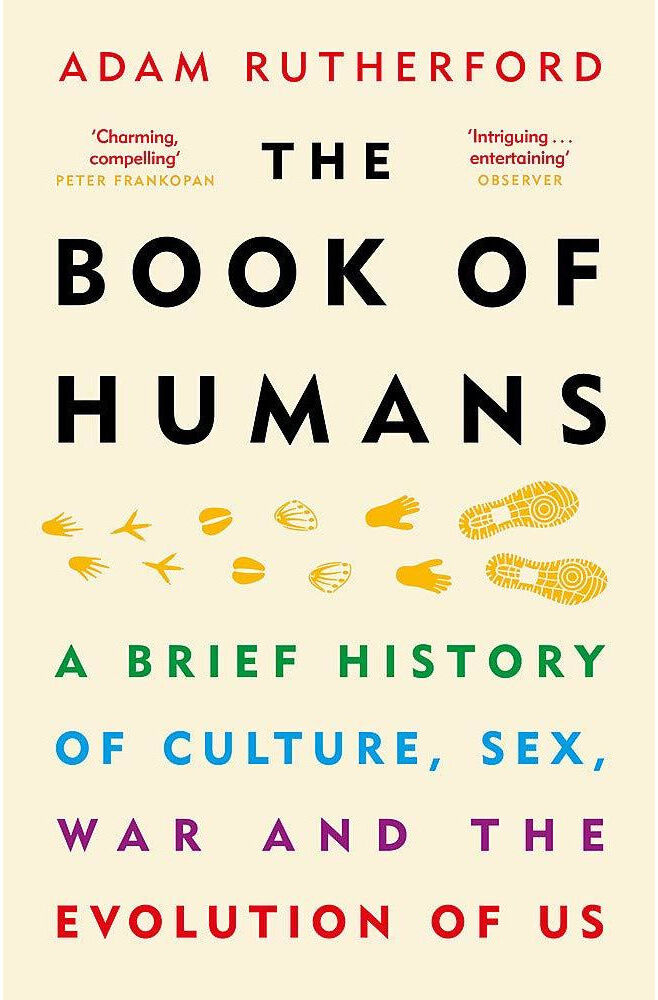
Orion The Book of Humans by Adam Rutherford – A Brief History of Culture, Sex, War & EvolutionWHAT MAKES US HUMAN? Waging war? Sex for pleasure? Creating art? Mastery of fire? In this thrilling tour of the animal kingdom, Adam Rutherford tells the story of how we became the unique creatures we are today. Illuminated by the latest scientific discoveries, THE BOOK OF HUMANS is a dazzling compendium of what unequivocally fixes us as animals, and reveals how we are extraordinary among them.4,98 £*Shipping: 1,99 £Secure redirect to the provider
-
Can chemical laboratory technicians and biology laboratory technicians produce pharmaceuticals?
Yes, both chemical laboratory technicians and biology laboratory technicians can play a role in the production of pharmaceuticals. Chemical laboratory technicians may be involved in the synthesis and analysis of chemical compounds used in pharmaceuticals, while biology laboratory technicians may work on the development and testing of biological products such as vaccines or biopharmaceuticals. Both types of technicians are essential in ensuring the quality and safety of pharmaceutical products. **
-
How can I switch from the food industry to the pharmaceutical industry as a laboratory technician?
To switch from the food industry to the pharmaceutical industry as a laboratory technician, you can start by gaining relevant education and training in pharmaceutical laboratory techniques and procedures. Look for courses or certifications that focus on pharmaceutical analysis, quality control, and regulatory compliance. Networking with professionals in the pharmaceutical industry and attending industry events can also help you learn about job opportunities and make connections. Tailor your resume and cover letter to highlight any transferable skills and experiences from your work in the food industry that are relevant to the pharmaceutical industry. Finally, be open to entry-level positions or internships to gain experience and prove your capabilities in the pharmaceutical laboratory setting. **
-
What is laboratory work?
Laboratory work refers to the practical aspect of scientific research or experimentation conducted in a controlled environment known as a laboratory. It involves hands-on activities such as conducting experiments, collecting data, analyzing results, and drawing conclusions based on observations. Laboratory work is essential in various fields such as chemistry, biology, physics, and engineering to test hypotheses, validate theories, and advance scientific knowledge. It requires precision, attention to detail, and adherence to safety protocols to ensure accurate and reliable results. **
-
What are the professions in the field of laboratory work, such as chemical laboratory technician or medical-technical laboratory assistant?
Professions in the field of laboratory work include chemical laboratory technician, medical-technical laboratory assistant, clinical laboratory scientist, and research laboratory technician. Chemical laboratory technicians work in various industries, conducting experiments and analyzing substances. Medical-technical laboratory assistants work in healthcare settings, performing tests and analyzing samples to aid in the diagnosis and treatment of patients. Clinical laboratory scientists oversee the work of laboratory technicians and perform complex tests to help diagnose and treat diseases. Research laboratory technicians work in scientific research settings, assisting with experiments and analyzing data. **
* All prices are inclusive of VAT and, if applicable, plus shipping costs. The offer information is based on the details provided by the respective shop and is updated through automated processes. Real-time updates do not occur, so deviations can occur in individual cases. ** Note: Parts of this content were created by AI.