Buy ruhrgebiet.info ?
We are moving the project
ruhrgebiet.info .
Are you interested in purchasing the domain
ruhrgebiet.info ?
domain@kv-gmbh.de · 0541-91531010
Buy ruhrgebiet.info ?
What is the relationship between non-merchants, potential merchants, and actual merchants?
Non-merchants are individuals who are not currently engaged in any commercial activities. Potential merchants are individuals who are considering entering the world of commerce and starting their own business. Actual merchants are individuals who have already established their businesses and are actively involved in buying and selling goods or services. The relationship between these three groups is that non-merchants may transition into potential merchants as they start exploring business opportunities, and potential merchants may eventually become actual merchants once they establish their businesses and start operating in the market. **
Are retail merchants and office merchants in the same class?
Retail merchants and office merchants are not typically in the same class. Retail merchants are businesses that sell goods directly to consumers, often through physical storefronts or online platforms. Office merchants, on the other hand, are businesses that provide services or products to other businesses, often in a business-to-business (B2B) context. While both types of merchants are involved in commercial activities, they serve different markets and have distinct business models. **


Similar search terms for Non-merchants
Top-Angebote
Products related to Non-merchants:
-
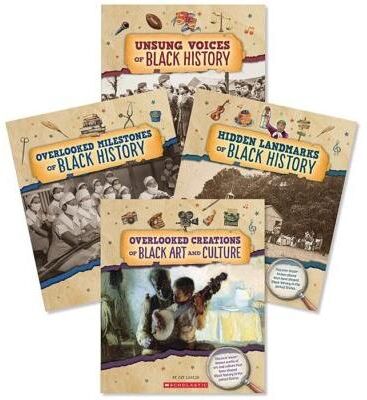
From the Archives: Black History and Culture Value PackThis brand-new series is rooted in a profound commitment to shedding light on some of the important -- and often lesser-known -- aspects of Black history. From the Archives features landmarks, events, people, and artistic endeavors that have played...27,99 $*Shipping: 0,00 $Secure redirect to the provider
-
HarperCollins Creative Confidence by David Kelley & Tom Kelley - IDEO Design Thinking Guide - Paperback - Business & Innovation Non Fiction BookDevelop your creative potential with this paperback edition of 'Creative Confidence' by David Kelley. The book, published by HarperCollins, argues that creativity is a skill anyone can build, not a rare gift reserved for a few. Drawing on decades of experience helping companies innovate, the authors share practical tools for turning doubt into confident action. This book sets out to demolish the myth that creativity belongs only to 'creative types' and offers real-world advice for anyone looking to boost their creative skills.4,99 £*Shipping: 2,99 £Secure redirect to the provider
-
Tudor England: A History by Lucy Wooding - Yale University Press Hardback - 720-Page History of the Tudor Dynasty - Adult Non FictionTudor England: A History by Lucy Wooding is a comprehensive account of one of the most dramatic periods in English history. This hardback book, published by Yale University Press, explores the Tudor dynasty from Henry VII's rise to the death of Elizabeth I. Drawing on the latest scholarship, Lucy Wooding weaves together the lives of monarchs, courtiers, and ordinary people to reveal a nation transformed by religious upheaval, war, and ambition. Spanning 1485 to 1603, the book follows the extraordinary story of a dynasty that began with an outsider's gamble and ended by defining an age. With 720 pages of in-depth analysis, this book is essential reading for history lovers and students of the Tudor era.21,99 £*Shipping: 2,99 £Secure redirect to the provider
-
The Black History Month Bundle 4 Books Collection Set - Fiction/Non Fiction - Paperback Books2DoorThis Black History Month, we’re excited to expand our Black Voices collection with a specially curated set for you, our beloved readers! We believe it’s essential to amplify Black voices and ensure they are heard loud and clear. To start, we’re offering a selection of books that span contemporary perspectives to historical insights. Start with Queenie, a modern classic that resonates with today’s audience, exploring the complexities of identity and belonging. Then, dive into Black and British, an essential non-fiction work that highlights the importance of understanding our history through the lens of Black voices, stories that must be shared and celebrated. We also have some beloved favourites to enrich your reading experience. The Color Purple is a powerful tale of resilience and empowerment that continues to inspire readers. Plus, don’t miss Keep the Receipts by The Receipts Media Ltd, a popular non-fiction book from our favourite podcasters that offers fresh perspectives and engaging conversations. Let’s celebrate Black voices together this month and beyond! Titles in this set: 1. The Color Purple: by Alice Walker (Fiction) 2. Queenie: by Candice Carty-Williams (Fiction) 3. Black and British: A Forgotten History: by David Olusoga (Non-Fiction) 4. Keep the Receipts: by The Receipts Media Ltd (Non-Fiction) Description: The Color Purple Set in the deep American South between the wars, THE COLOR PURPLE is the classic tale of Celie, a young black girl born into poverty and segregation. Raped repeatedly by the man she calls 'father', she has two children taken away from her, is separated from her beloved sister Nettie and is trapped into an ugly marriage. But then she meets the glamorous Shug Avery, singer and magic-maker - a woman who has taken charge of her own destiny. Gradually Celie discovers the power and joy of her own spirit, freeing her from her past and reuniting her with those she loves. Queenie Queenie is a twenty-five-year-old Black woman living in south London, straddling Jamaican and British culture whilst slotting neatly into neither. She works at a national newspaper where she's constantly forced to compare herself to her white, middle-class peers, and beg to write about Black Lives Matter. After a messy break up from her long-term white boyfriend, Queenie finds herself seeking comfort in all the wrong places. As Queenie veers from one regrettable decision to another, she finds herself wondering, What are you doing? Why are you doing it? Who do you want to be? - the questions that every woman today must face in a world that keeps trying to provide the answers for them. A darkly comic and bitingly subversive take on life, love, race and family, Queenie will have you nodding in recognition, crying in solidarity and rooting for this unforgettable character every step of the way. A disarmingly honest, boldly political and truly inclusive tale that will speak to anyone who has gone looking for love and acceptance and found something...26,99 £*Shipping: 2,99 £Secure redirect to the provider



-
Can merchants reject me?
Yes, merchants have the right to reject customers for various reasons, such as if the customer is unable to provide valid identification, has a history of fraudulent activity, or if the merchant believes the customer may not be able to pay for the goods or services. Merchants also have the right to refuse service based on their own policies or if the customer is behaving in a disruptive or threatening manner. However, it is important for merchants to adhere to anti-discrimination laws and not reject customers based on protected characteristics such as race, gender, religion, or disability. **
-
According to the Commercial Code (HGB), which merchants are always considered merchants?
According to the Commercial Code (HGB), individuals who are registered in the commercial register are always considered merchants. Additionally, individuals who operate a commercial business under a commercial business name are also considered merchants. Finally, individuals who are engaged in a commercial business and have a commercial establishment are considered merchants under the HGB. **
-
What is the difference between merchants in the healthcare sector and merchants in office management?
Merchants in the healthcare sector typically deal with the buying and selling of medical supplies, equipment, and pharmaceuticals, as well as managing the financial aspects of healthcare facilities. They must navigate complex regulations and compliance requirements related to patient care and privacy. On the other hand, merchants in office management focus on purchasing and selling office supplies, furniture, and technology, as well as managing the administrative and operational needs of businesses. They are more concerned with streamlining processes and improving efficiency in the workplace. Overall, the main difference lies in the specific products and services they handle, as well as the unique regulations and challenges they face within their respective industries. **
-
Do merchants need good math skills?
Yes, merchants need good math skills in order to accurately calculate profits, expenses, taxes, and pricing. They need to be able to analyze data, forecast sales, and manage inventory effectively. Math skills are essential for making informed business decisions and ensuring financial success in the competitive marketplace. **


What types of merchants are there?
There are various types of merchants, including retail merchants who sell goods directly to consumers, wholesale merchants who sell products in bulk to retailers, e-commerce merchants who conduct business online, and service merchants who provide services instead of physical goods. Additionally, there are specialty merchants who focus on selling a specific type of product or serving a particular niche market, as well as global merchants who operate on an international scale. Each type of merchant plays a unique role in the economy and serves different customer needs. **
Are the types of merchants correct?
Yes, the types of merchants are correct. The three main types of merchants are wholesalers, retailers, and service providers. Wholesalers buy goods in bulk from manufacturers and sell them to retailers. Retailers sell goods directly to consumers. Service providers offer intangible services to consumers. These categories accurately represent the different roles and functions of merchants in the business world. **
Top-Angebote
Products related to Non-merchants:
-
Office Dog River of Gold Board Game - Strategic River Merchants Game - Ages 8+Players take on the role of river merchants working alongside legendary samurai clans. They compete to build wealth, reputation, and wisdom as they develop the busy river and its surrounding settlements. Players can choose how to expand their influence by investing in ports, markets, and shrines, or by sailing the river to fulfill delivery contracts, visit nobility, and seek divine favor when challenges arise. Each decision can change the balance between immediate rewards and long-term development. This strategic board game is set along a prosperous river, where players develop ports, markets, shrines, and other locations, and complete delivery contracts to grow their wealth and influence. It's suitable for tabletop play with family and friends.39,97 £*Shipping: 3,95 £Secure redirect to the provider
-
From the Archives: Black History and Culture Value PackThis brand-new series is rooted in a profound commitment to shedding light on some of the important -- and often lesser-known -- aspects of Black history. From the Archives features landmarks, events, people, and artistic endeavors that have played...27,99 $*Shipping: 0,00 $Secure redirect to the provider
-
HarperCollins Creative Confidence by David Kelley & Tom Kelley - IDEO Design Thinking Guide - Paperback - Business & Innovation Non Fiction BookDevelop your creative potential with this paperback edition of 'Creative Confidence' by David Kelley. The book, published by HarperCollins, argues that creativity is a skill anyone can build, not a rare gift reserved for a few. Drawing on decades of experience helping companies innovate, the authors share practical tools for turning doubt into confident action. This book sets out to demolish the myth that creativity belongs only to 'creative types' and offers real-world advice for anyone looking to boost their creative skills.4,99 £*Shipping: 2,99 £Secure redirect to the provider
-
What is the relationship between non-merchants, potential merchants, and actual merchants?
Non-merchants are individuals who are not currently engaged in any commercial activities. Potential merchants are individuals who are considering entering the world of commerce and starting their own business. Actual merchants are individuals who have already established their businesses and are actively involved in buying and selling goods or services. The relationship between these three groups is that non-merchants may transition into potential merchants as they start exploring business opportunities, and potential merchants may eventually become actual merchants once they establish their businesses and start operating in the market. **
-
Are retail merchants and office merchants in the same class?
Retail merchants and office merchants are not typically in the same class. Retail merchants are businesses that sell goods directly to consumers, often through physical storefronts or online platforms. Office merchants, on the other hand, are businesses that provide services or products to other businesses, often in a business-to-business (B2B) context. While both types of merchants are involved in commercial activities, they serve different markets and have distinct business models. **
-
Can merchants reject me?
Yes, merchants have the right to reject customers for various reasons, such as if the customer is unable to provide valid identification, has a history of fraudulent activity, or if the merchant believes the customer may not be able to pay for the goods or services. Merchants also have the right to refuse service based on their own policies or if the customer is behaving in a disruptive or threatening manner. However, it is important for merchants to adhere to anti-discrimination laws and not reject customers based on protected characteristics such as race, gender, religion, or disability. **
-
According to the Commercial Code (HGB), which merchants are always considered merchants?
According to the Commercial Code (HGB), individuals who are registered in the commercial register are always considered merchants. Additionally, individuals who operate a commercial business under a commercial business name are also considered merchants. Finally, individuals who are engaged in a commercial business and have a commercial establishment are considered merchants under the HGB. **
Similar search terms for Non-merchants
-
Tudor England: A History by Lucy Wooding - Yale University Press Hardback - 720-Page History of the Tudor Dynasty - Adult Non FictionTudor England: A History by Lucy Wooding is a comprehensive account of one of the most dramatic periods in English history. This hardback book, published by Yale University Press, explores the Tudor dynasty from Henry VII's rise to the death of Elizabeth I. Drawing on the latest scholarship, Lucy Wooding weaves together the lives of monarchs, courtiers, and ordinary people to reveal a nation transformed by religious upheaval, war, and ambition. Spanning 1485 to 1603, the book follows the extraordinary story of a dynasty that began with an outsider's gamble and ended by defining an age. With 720 pages of in-depth analysis, this book is essential reading for history lovers and students of the Tudor era.21,99 £*Shipping: 2,99 £Secure redirect to the provider
-
The Black History Month Bundle 4 Books Collection Set - Fiction/Non Fiction - Paperback Books2DoorThis Black History Month, we’re excited to expand our Black Voices collection with a specially curated set for you, our beloved readers! We believe it’s essential to amplify Black voices and ensure they are heard loud and clear. To start, we’re offering a selection of books that span contemporary perspectives to historical insights. Start with Queenie, a modern classic that resonates with today’s audience, exploring the complexities of identity and belonging. Then, dive into Black and British, an essential non-fiction work that highlights the importance of understanding our history through the lens of Black voices, stories that must be shared and celebrated. We also have some beloved favourites to enrich your reading experience. The Color Purple is a powerful tale of resilience and empowerment that continues to inspire readers. Plus, don’t miss Keep the Receipts by The Receipts Media Ltd, a popular non-fiction book from our favourite podcasters that offers fresh perspectives and engaging conversations. Let’s celebrate Black voices together this month and beyond! Titles in this set: 1. The Color Purple: by Alice Walker (Fiction) 2. Queenie: by Candice Carty-Williams (Fiction) 3. Black and British: A Forgotten History: by David Olusoga (Non-Fiction) 4. Keep the Receipts: by The Receipts Media Ltd (Non-Fiction) Description: The Color Purple Set in the deep American South between the wars, THE COLOR PURPLE is the classic tale of Celie, a young black girl born into poverty and segregation. Raped repeatedly by the man she calls 'father', she has two children taken away from her, is separated from her beloved sister Nettie and is trapped into an ugly marriage. But then she meets the glamorous Shug Avery, singer and magic-maker - a woman who has taken charge of her own destiny. Gradually Celie discovers the power and joy of her own spirit, freeing her from her past and reuniting her with those she loves. Queenie Queenie is a twenty-five-year-old Black woman living in south London, straddling Jamaican and British culture whilst slotting neatly into neither. She works at a national newspaper where she's constantly forced to compare herself to her white, middle-class peers, and beg to write about Black Lives Matter. After a messy break up from her long-term white boyfriend, Queenie finds herself seeking comfort in all the wrong places. As Queenie veers from one regrettable decision to another, she finds herself wondering, What are you doing? Why are you doing it? Who do you want to be? - the questions that every woman today must face in a world that keeps trying to provide the answers for them. A darkly comic and bitingly subversive take on life, love, race and family, Queenie will have you nodding in recognition, crying in solidarity and rooting for this unforgettable character every step of the way. A disarmingly honest, boldly political and truly inclusive tale that will speak to anyone who has gone looking for love and acceptance and found something...26,99 £*Shipping: 2,99 £Secure redirect to the provider
-
Book House Danger Zone by Fiona MacDonald - 8 Books Collection Set - History Non Fiction Paperback - Ages 8-12 - Fun Fact-Packed History AdventuresPlunge into hair-raising moments of world history with the Danger Zone 8 Books Collection Set by Fiona MacDonald. This engaging series uses a witty 'avoid' format to explore real events and dangers, making history a fun and laugh-out-loud read. Illustrated with cartoon-style artwork, the series is a great choice for reluctant readers, making it an ideal gift for curious young explorers aged eight and up. The eight-book collection tours history's most perilous professions and journeys, including avoiding sailing with Christopher Columbus, becoming an Aztec sacrifice, and working in a Victorian mill. The books are published by Book House and are available in paperback format.12,99 £*Shipping: 2,99 £Secure redirect to the provider
-
The Bomber Mafia by Malcolm Gladwell - Penguin Paperback - WWII Military History Non-Fiction - UK EditionThe Bomber Mafia is Malcolm Gladwell's account of a small band of American strategists who believed precision bombing could make war less lethal, and the brutal reality that unfolded instead. Set during the Second World War, the book follows the clash between idealistic innovation and battlefield pragmatism, culminating in the devastating firebombing of Tokyo. This book delivers sharp insight into how good intentions can collide with the chaos of war. In The Bomber Mafia, Malcolm Gladwell tells the story of pilots and engineers at a remote Alabama air base who dreamed of a radical new form of warfare. Convinced that precision bombing could target military installations with such accuracy that ground invasions and civilian casualties could be avoided, this 'Bomber Mafia' pursued an idea as elegant in theory as it was flawed in practice. Written by Malcolm Gladwell, this non-fiction book is perfect for history lovers and fans of narrative non-fiction, offering a compelling narrative about the intersection of innovation and war.3,99 £*Shipping: 2,99 £Secure redirect to the provider
-
What is the difference between merchants in the healthcare sector and merchants in office management?
Merchants in the healthcare sector typically deal with the buying and selling of medical supplies, equipment, and pharmaceuticals, as well as managing the financial aspects of healthcare facilities. They must navigate complex regulations and compliance requirements related to patient care and privacy. On the other hand, merchants in office management focus on purchasing and selling office supplies, furniture, and technology, as well as managing the administrative and operational needs of businesses. They are more concerned with streamlining processes and improving efficiency in the workplace. Overall, the main difference lies in the specific products and services they handle, as well as the unique regulations and challenges they face within their respective industries. **
-
Do merchants need good math skills?
Yes, merchants need good math skills in order to accurately calculate profits, expenses, taxes, and pricing. They need to be able to analyze data, forecast sales, and manage inventory effectively. Math skills are essential for making informed business decisions and ensuring financial success in the competitive marketplace. **
-
What types of merchants are there?
There are various types of merchants, including retail merchants who sell goods directly to consumers, wholesale merchants who sell products in bulk to retailers, e-commerce merchants who conduct business online, and service merchants who provide services instead of physical goods. Additionally, there are specialty merchants who focus on selling a specific type of product or serving a particular niche market, as well as global merchants who operate on an international scale. Each type of merchant plays a unique role in the economy and serves different customer needs. **
-
Are the types of merchants correct?
Yes, the types of merchants are correct. The three main types of merchants are wholesalers, retailers, and service providers. Wholesalers buy goods in bulk from manufacturers and sell them to retailers. Retailers sell goods directly to consumers. Service providers offer intangible services to consumers. These categories accurately represent the different roles and functions of merchants in the business world. **
* All prices are inclusive of VAT and, if applicable, plus shipping costs. The offer information is based on the details provided by the respective shop and is updated through automated processes. Real-time updates do not occur, so deviations can occur in individual cases. ** Note: Parts of this content were created by AI.