Buy ruhrgebiet.info ?
We are moving the project
ruhrgebiet.info .
Are you interested in purchasing the domain
ruhrgebiet.info ?
domain@kv-gmbh.de · 0541-91531010
Buy ruhrgebiet.info ?
What is your opinion on post-war architecture?
Post-war architecture is a reflection of the rebuilding and renewal that took place after the devastation of World War II. I believe that post-war architecture represents a shift towards modernism and a departure from traditional styles, with an emphasis on functionality and simplicity. It also showcases the use of new materials and construction techniques, as well as a focus on urban planning and the creation of new communities. Overall, I think post-war architecture is an important part of our history and has contributed to the development of innovative and influential designs. **
What is the post-war period?
The post-war period refers to the time following the end of a war, typically focusing on the aftermath and reconstruction efforts. It is a time of transition as countries work to rebuild their economies, infrastructure, and societies that were affected by the conflict. The post-war period often involves addressing issues such as displaced populations, political instability, and the process of reconciliation and healing. This period is crucial for laying the foundation for long-term peace and stability. **
Similar search terms for Post-war
Top-Angebote
Products related to Post-war:
-
The Robson Press Tommy At War: 1914-1918 by John Sadler & Rosie Serdiville - Hardback WWI History - Human Stories from the Great War -A powerful, human-centred history of the First World War, Tommy At War: 1914-1918 brings the Western Front vividly to life. Historians John Sadler and Rosie Serdiville draw on letters, diaries and first-hand testimony to present an intimate portrait of ordinary people swept up in extraordinary times. This hardback book offers a gripping, human-scale portrait of the Great War, distilling a century of history into a narrative that moves between the mud of the trenches and the daily rhythms of life behind the lines. Published to mark the centenary of the outbreak of the First World War, this book is essential reading for anyone fascinated by the human cost and comradeship of the conflict. Written by John Sadler and Rosie Serdiville, and published by The Robson Press, this book is a compelling read for those interested in history and the human experience.2,99 £*Shipping: 2,99 £Secure redirect to the provider
-
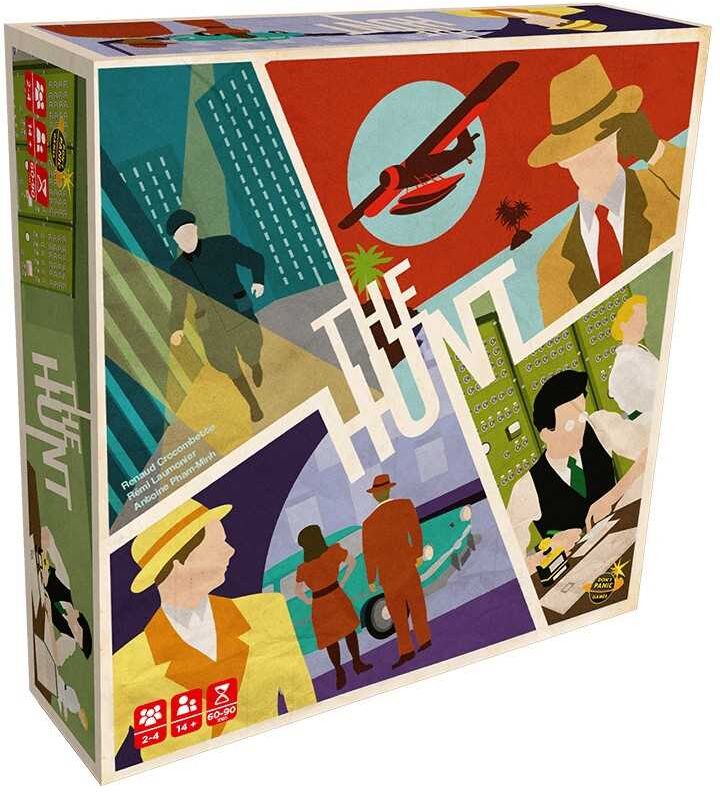
The Hunt Board Game by Don't Panic Games - Compete as a Faction Hunting Fugitives in Post-War EuropeIn May 1945, Europe lies in ruins and former members of the collapsing regime are attempting to disappear. In The Hunt, players lead rival factions determined to track down fugitives before their opponents can claim them. Plan, investigate, and capture. Send agents into action, gather information, and decide when to take the risk of making an arrest. Each target is valuable, but other factions are pursuing the same people, creating a tense contest for timing, information, and influence. Compete as a faction hunting fugitives across a post-war Europe. Plan agent actions carefully to investigate and capture targets. Race opposing groups to claim shared objectives first. Balance speed, information, and tactical decision-making. A thematic board game for players who enjoy strategic competition. With multiple factions working towards their own ambitions, every decision can affect the race. Choose your actions carefully and pursue the targets that will take your faction closest to victory.49,99 £*Shipping: 3,95 £Secure redirect to the provider
-
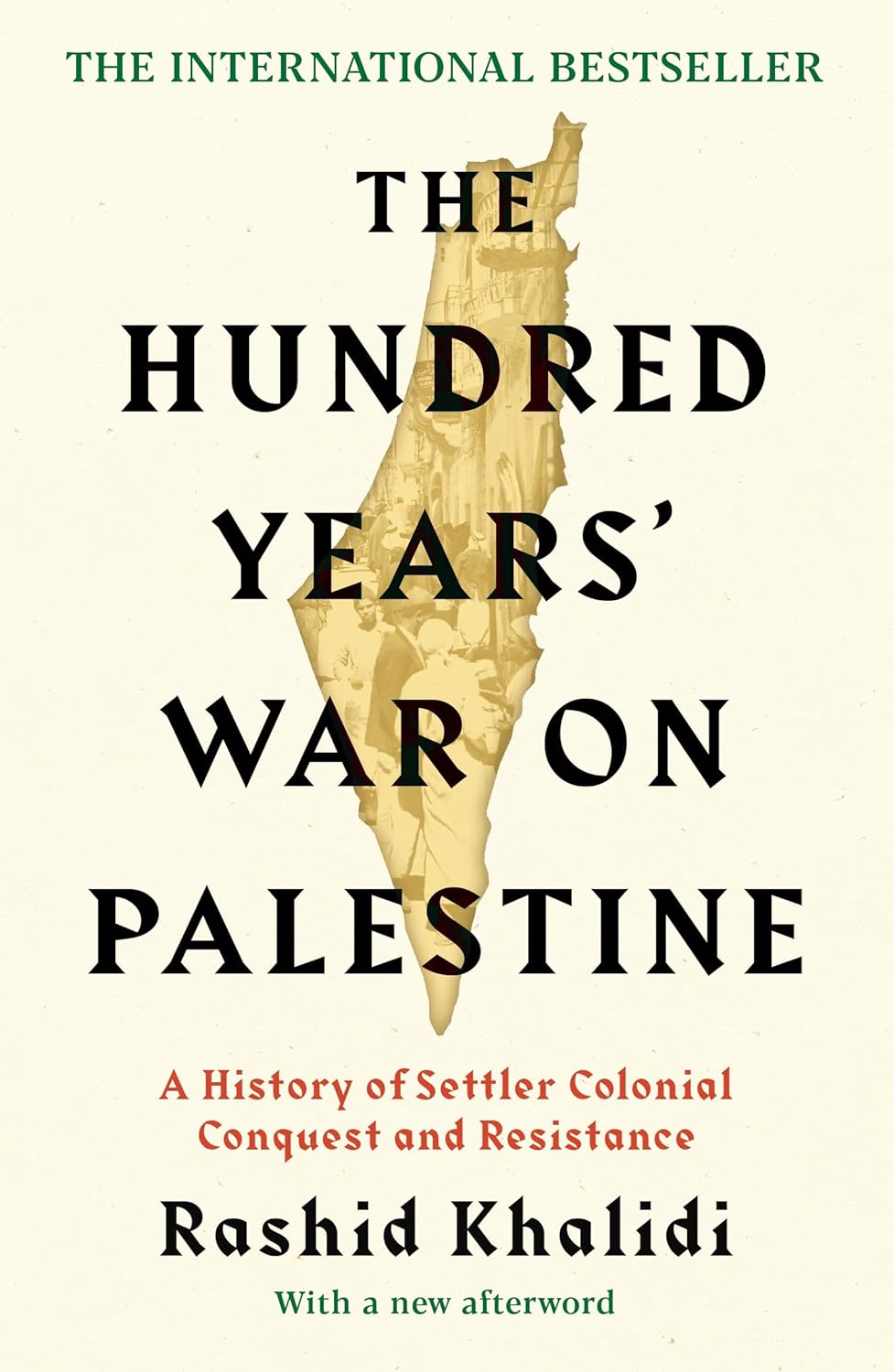
The Hundred Years' War on Palestine by Rashid Khalidi - Paperback - History & Politics - NYT Bestseller - Profile BooksThis is a brand new paperback edition of Rashid Khalidi's landmark history of the Palestinian struggle, The Hundred Years' War on Palestine. The book reframes the conflict as a settler-colonial war waged against the Palestinian people, rather than a simple clash between two equal nationalisms. It is a deeply researched account of the roots of the conflict, drawing on rigorous scholarship, family archives, and personal memory. The book is divided into six defining episodes from 1917 to the present day, including the Balfour Declaration, the Great Revolt of the 1930s, the Nakba of 1948, the 1967 occupation, the Lebanon war of 1982, and the failure of the Oslo peace process. It has been shortlisted for the Cundill History Prize and is a New York Times bestseller.12,99 £*Shipping: 2,99 £Secure redirect to the provider
-
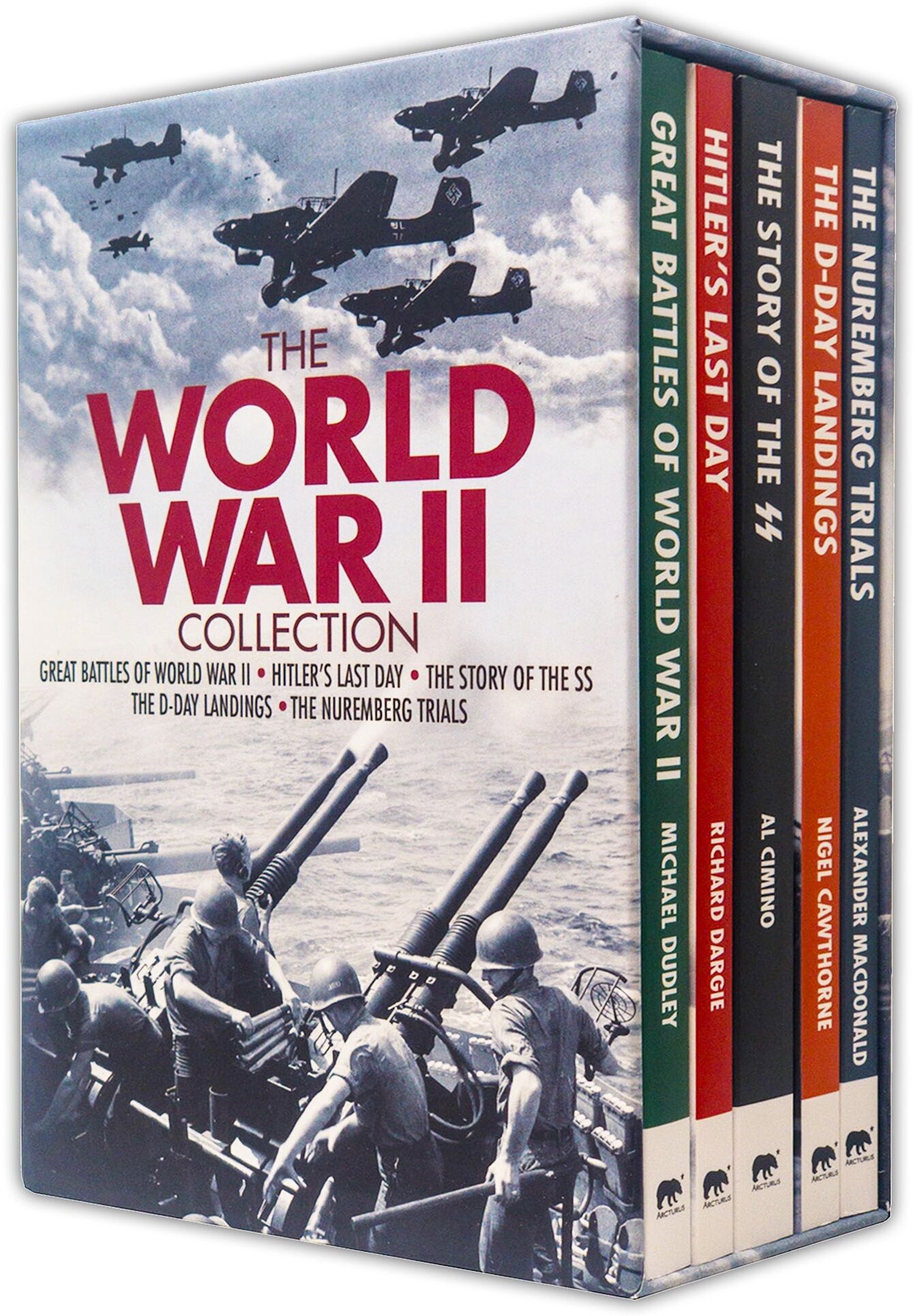
Arcturus The World War II 5 Books Collection Set – D-Day, Nuremberg Trials & Military History CollectionThis box set brings together five brilliant titles which recount the major events of World War II, from Dunkirk to the Nuremberg trials. With breakdowns of skilful military manoeuvres, chilling accounts of Nazi organisations and astounding details from the fall of Berlin, this collection chronicles the defeat of Germany and the Axis powers. These titles are: • Great Battles of World War II by Michael Dudley • The D-Day Landings by Nigel Cawthorne • Hitler's Last Day by Richard Dargie • The Story of the SS by Al Cimino • The Nuremberg Trials by Alexander Macdonald A great read for both military history enthusiasts and those eager to learn more about World War II.14,95 £*Shipping: 2,99 £Secure redirect to the provider

-
Which short stories are about war and the post-war period?
Two short stories that focus on war and the post-war period are "The Things They Carried" by Tim O'Brien and "A Perfect Day for Bananafish" by J.D. Salinger. "The Things They Carried" explores the experiences of soldiers during the Vietnam War and the lasting impact of war on their lives. On the other hand, "A Perfect Day for Bananafish" delves into the psychological effects of war on a soldier returning home from World War II. Both stories provide poignant insights into the complexities of war and its aftermath. **
-
Why are post-war buildings considered ugly?
Post-war buildings are often considered ugly because they were built quickly and cheaply to meet the urgent demand for housing and infrastructure after the devastation of World War II. This led to a lack of attention to architectural design and aesthetics, resulting in buildings that are often seen as bland, utilitarian, and lacking in character. Additionally, the use of materials such as concrete and steel, which were readily available and cost-effective at the time, can contribute to the perceived lack of visual appeal in post-war buildings. **
-
Which topics are suitable for a history presentation on the post-war period?
Some suitable topics for a history presentation on the post-war period could include the Cold War and its impact on global politics, the decolonization movements in Africa and Asia, the rise of the European Union and its role in promoting peace and cooperation, the civil rights movements in the United States and around the world, and the economic reconstruction and development in war-torn countries. These topics offer a rich and diverse range of events and themes that shaped the world in the aftermath of World War II. **
-
How was life in the post-war period?
Life in the post-war period was marked by significant changes and challenges. Many countries faced the task of rebuilding their economies and infrastructure, while also dealing with the social and psychological impacts of the war. There was a sense of optimism and hope for a better future, but also a lingering sense of loss and trauma. The period saw the emergence of new political alliances, economic systems, and social movements as the world adjusted to the aftermath of the war. **
What are the differences in post-war poetry?
Post-war poetry can vary greatly depending on the specific historical and cultural context of the time and place in which it was written. However, some common differences in post-war poetry include shifts in themes and subject matter, as well as changes in poetic style and form. For example, poetry written in the aftermath of World War I often reflected disillusionment and a sense of loss, while poetry from the post-World War II era often grappled with the complexities of modern life and the impact of technology and globalization. Additionally, post-war poetry may also exhibit experimentation with language and form, as poets sought new ways to express the changing world around them. **
Why are the post-war children so strict?
Post-war children may be strict because they were raised by parents who experienced the hardships and uncertainties of war, leading them to prioritize discipline and structure in their children's upbringing. Additionally, the post-war period often saw a focus on rebuilding and stability, which may have influenced parents to instill a strong sense of responsibility and adherence to rules in their children. Furthermore, the societal and economic challenges of the post-war era may have led to a more conservative and disciplined approach to parenting in order to ensure the success and security of the next generation. **
Top-Angebote
Products related to Post-war:
-
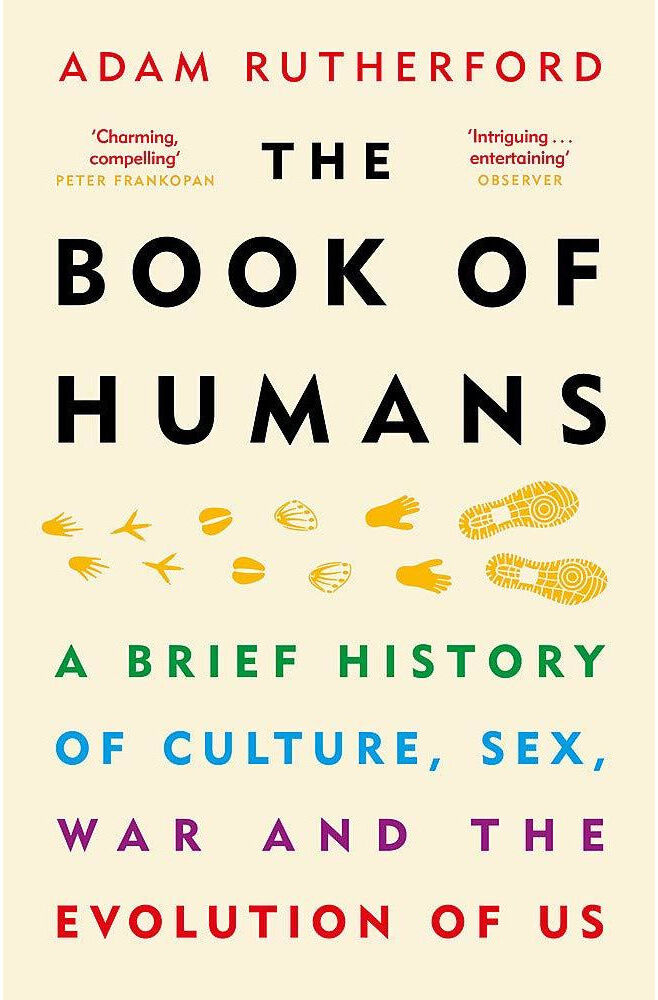
Orion The Book of Humans by Adam Rutherford – A Brief History of Culture, Sex, War & EvolutionWHAT MAKES US HUMAN? Waging war? Sex for pleasure? Creating art? Mastery of fire? In this thrilling tour of the animal kingdom, Adam Rutherford tells the story of how we became the unique creatures we are today. Illuminated by the latest scientific discoveries, THE BOOK OF HUMANS is a dazzling compendium of what unequivocally fixes us as animals, and reveals how we are extraordinary among them.4,98 £*Shipping: 1,99 £Secure redirect to the provider
-
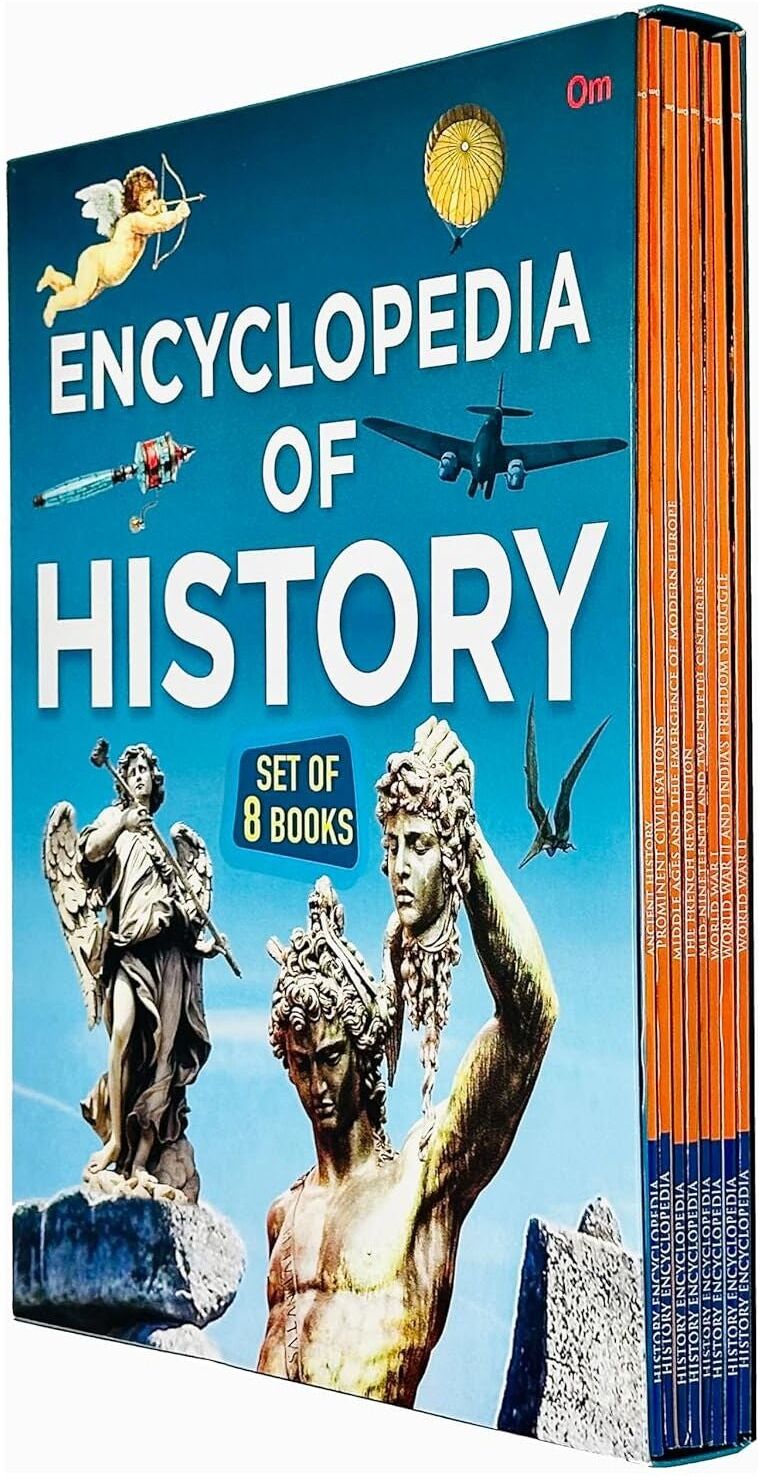
OM Books International Encyclopedia of History 8 Books Collection Set – World War History & Educational Learning CollectionEncyclopedia of History set of 8 books (World War I, World War II, World War II and Indias Freedom Struggle, Mid Nineteenth and Twentieth Centuries, The French Revolution & More): Titles in This Set: Encyclopedia: World War I Encyclopedia: World War II Encyclopedia: World War II and Indias Freedom Struggle Encyclopedia: Mid Nineteenth and Twentieth Centuries Encyclopedia: The French Revolution Encyclopedia: Middle Ages and the Emergence of Modern Europe Encyclopedia: Prominent Civilisations Encyclopedia: Ancient History Description: What made humans the way they are today? How were civilisations formed and erased? What makes up history? Get answers to all the questions and more in this history encyclopedia. Go back in time and learn all about human history, right from the time man began his journey in stone caves. Relive epic battles, learn about the rise and fall of great empires and a lot more.9,90 £*Shipping: 2,99 £Secure redirect to the provider
-
The Robson Press Tommy At War: 1914-1918 by John Sadler & Rosie Serdiville - Hardback WWI History - Human Stories from the Great War -A powerful, human-centred history of the First World War, Tommy At War: 1914-1918 brings the Western Front vividly to life. Historians John Sadler and Rosie Serdiville draw on letters, diaries and first-hand testimony to present an intimate portrait of ordinary people swept up in extraordinary times. This hardback book offers a gripping, human-scale portrait of the Great War, distilling a century of history into a narrative that moves between the mud of the trenches and the daily rhythms of life behind the lines. Published to mark the centenary of the outbreak of the First World War, this book is essential reading for anyone fascinated by the human cost and comradeship of the conflict. Written by John Sadler and Rosie Serdiville, and published by The Robson Press, this book is a compelling read for those interested in history and the human experience.2,99 £*Shipping: 2,99 £Secure redirect to the provider
-
The Hunt Board Game by Don't Panic Games - Compete as a Faction Hunting Fugitives in Post-War EuropeIn May 1945, Europe lies in ruins and former members of the collapsing regime are attempting to disappear. In The Hunt, players lead rival factions determined to track down fugitives before their opponents can claim them. Plan, investigate, and capture. Send agents into action, gather information, and decide when to take the risk of making an arrest. Each target is valuable, but other factions are pursuing the same people, creating a tense contest for timing, information, and influence. Compete as a faction hunting fugitives across a post-war Europe. Plan agent actions carefully to investigate and capture targets. Race opposing groups to claim shared objectives first. Balance speed, information, and tactical decision-making. A thematic board game for players who enjoy strategic competition. With multiple factions working towards their own ambitions, every decision can affect the race. Choose your actions carefully and pursue the targets that will take your faction closest to victory.49,99 £*Shipping: 3,95 £Secure redirect to the provider
-
What is your opinion on post-war architecture?
Post-war architecture is a reflection of the rebuilding and renewal that took place after the devastation of World War II. I believe that post-war architecture represents a shift towards modernism and a departure from traditional styles, with an emphasis on functionality and simplicity. It also showcases the use of new materials and construction techniques, as well as a focus on urban planning and the creation of new communities. Overall, I think post-war architecture is an important part of our history and has contributed to the development of innovative and influential designs. **
-
What is the post-war period?
The post-war period refers to the time following the end of a war, typically focusing on the aftermath and reconstruction efforts. It is a time of transition as countries work to rebuild their economies, infrastructure, and societies that were affected by the conflict. The post-war period often involves addressing issues such as displaced populations, political instability, and the process of reconciliation and healing. This period is crucial for laying the foundation for long-term peace and stability. **
-
Which short stories are about war and the post-war period?
Two short stories that focus on war and the post-war period are "The Things They Carried" by Tim O'Brien and "A Perfect Day for Bananafish" by J.D. Salinger. "The Things They Carried" explores the experiences of soldiers during the Vietnam War and the lasting impact of war on their lives. On the other hand, "A Perfect Day for Bananafish" delves into the psychological effects of war on a soldier returning home from World War II. Both stories provide poignant insights into the complexities of war and its aftermath. **
-
Why are post-war buildings considered ugly?
Post-war buildings are often considered ugly because they were built quickly and cheaply to meet the urgent demand for housing and infrastructure after the devastation of World War II. This led to a lack of attention to architectural design and aesthetics, resulting in buildings that are often seen as bland, utilitarian, and lacking in character. Additionally, the use of materials such as concrete and steel, which were readily available and cost-effective at the time, can contribute to the perceived lack of visual appeal in post-war buildings. **
Similar search terms for Post-war
-
The Hundred Years' War on Palestine by Rashid Khalidi - Paperback - History & Politics - NYT Bestseller - Profile BooksThis is a brand new paperback edition of Rashid Khalidi's landmark history of the Palestinian struggle, The Hundred Years' War on Palestine. The book reframes the conflict as a settler-colonial war waged against the Palestinian people, rather than a simple clash between two equal nationalisms. It is a deeply researched account of the roots of the conflict, drawing on rigorous scholarship, family archives, and personal memory. The book is divided into six defining episodes from 1917 to the present day, including the Balfour Declaration, the Great Revolt of the 1930s, the Nakba of 1948, the 1967 occupation, the Lebanon war of 1982, and the failure of the Oslo peace process. It has been shortlisted for the Cundill History Prize and is a New York Times bestseller.12,99 £*Shipping: 2,99 £Secure redirect to the provider
-
Arcturus The World War II 5 Books Collection Set – D-Day, Nuremberg Trials & Military History CollectionThis box set brings together five brilliant titles which recount the major events of World War II, from Dunkirk to the Nuremberg trials. With breakdowns of skilful military manoeuvres, chilling accounts of Nazi organisations and astounding details from the fall of Berlin, this collection chronicles the defeat of Germany and the Axis powers. These titles are: • Great Battles of World War II by Michael Dudley • The D-Day Landings by Nigel Cawthorne • Hitler's Last Day by Richard Dargie • The Story of the SS by Al Cimino • The Nuremberg Trials by Alexander Macdonald A great read for both military history enthusiasts and those eager to learn more about World War II.14,95 £*Shipping: 2,99 £Secure redirect to the provider
-
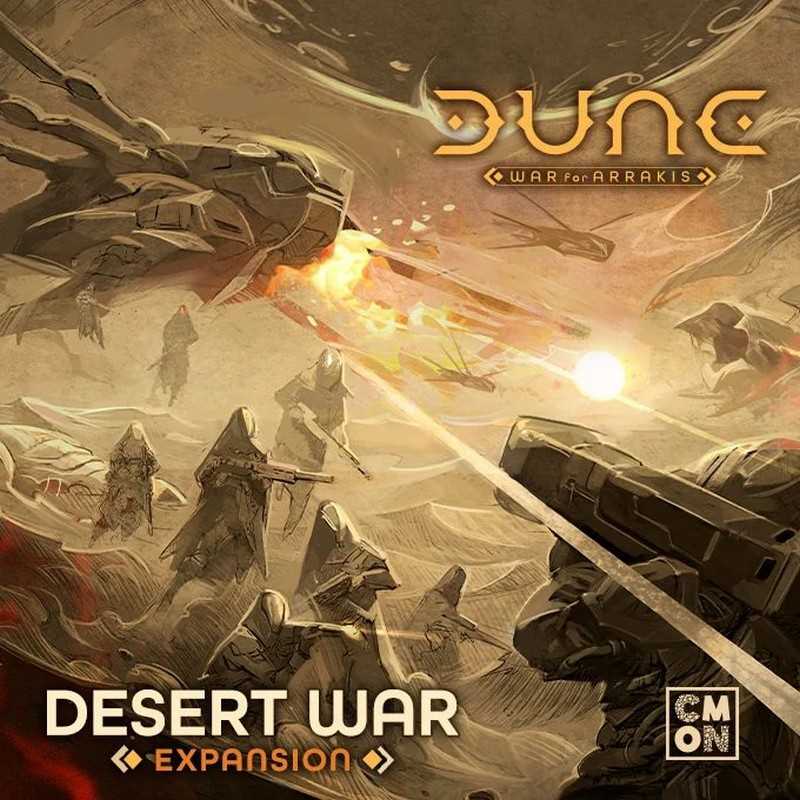
CoolMiniOrNot Inc Desert War: Dune – War for Arrakis Expansion for Board GamesExpand the battle for Arrakis with the Desert War: Dune – War for Arrakis Expansion. This expansion adds new forces and tactical options to games set during the struggle for control of Arrakis, bringing further focus to the dangers and opportunities found across the planet's unforgiving desert. New units and battlefield roles include Fremen Sandriders, who can call upon colossal sandworms and ride them across the dunes, and Fremen Rocket Launchers, which provide ranged firepower against Harvesters and Ornithopters. Suspensor Troopers can scout ahead and conduct surprise attacks despite the hazards of the desert. Escort Ornithopters support the movement of Legions and contribute direct assistance during engagements. Designed for owners of Dune: War for Arrakis, this expansion adds variety to both Harkonnen and Atreides forces, allowing you to develop new strategies and shape the conflict across the burning surface of Dune. A base game is required.38,69 £*Shipping: 3,95 £Secure redirect to the provider
-
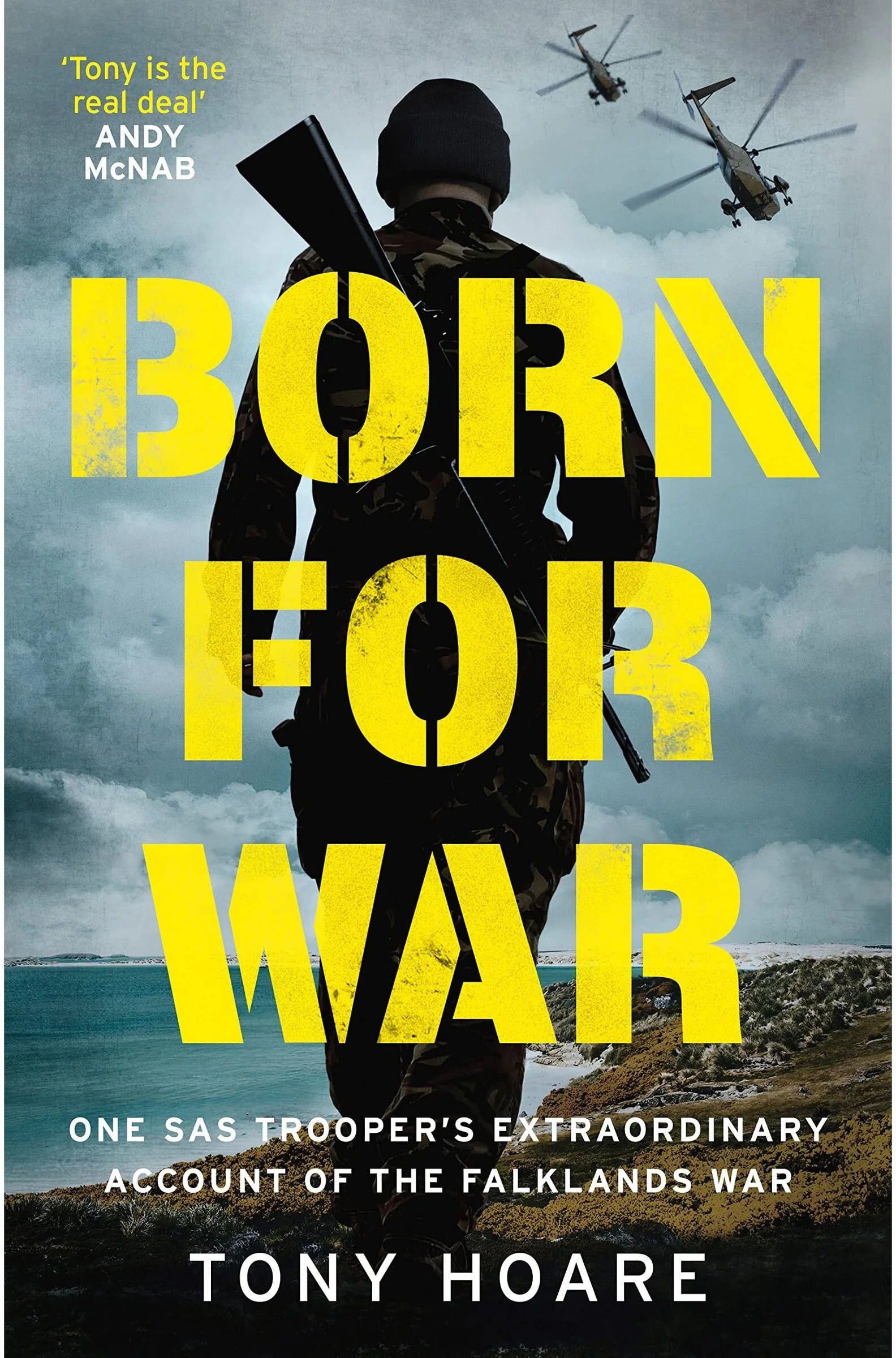
Welbeck Publishing Born For War: One SAS Trooper's Extraordinary Account of the Falklands War by Tony Hoare - Hardback Military Memoir - 40th Anniversary Falklands WarBorn For War is the first-hand account of Tony Hoare, a trooper with D Squadron, 22 SAS, who fought throughout the 1982 Falklands War. This hardback memoir delivers an unflinching, boots-on-the-ground record of land, sea and air battles, from the recapture of South Georgia to the raid on Pebble Island. It is essential reading for anyone drawn to authentic military history and true stories of courage under fire. Tony Hoare always knew he wanted to serve in the SAS. Following his grandfather and father into the forces, he joined the Cadets at 13, the Infantry at 17, and enlisted with the Royal Green Jackets before passing arduous SAS selection in 1978. Less than four years later, Hoare and his unit were deployed to the South Atlantic as tensions with Argentina erupted into war. Published by Welbeck Publishing, this book is a gripping and unflinching account of one of the most pivotal conflicts of the 20th century.3,99 £*Shipping: 2,99 £Secure redirect to the provider
-
Which topics are suitable for a history presentation on the post-war period?
Some suitable topics for a history presentation on the post-war period could include the Cold War and its impact on global politics, the decolonization movements in Africa and Asia, the rise of the European Union and its role in promoting peace and cooperation, the civil rights movements in the United States and around the world, and the economic reconstruction and development in war-torn countries. These topics offer a rich and diverse range of events and themes that shaped the world in the aftermath of World War II. **
-
How was life in the post-war period?
Life in the post-war period was marked by significant changes and challenges. Many countries faced the task of rebuilding their economies and infrastructure, while also dealing with the social and psychological impacts of the war. There was a sense of optimism and hope for a better future, but also a lingering sense of loss and trauma. The period saw the emergence of new political alliances, economic systems, and social movements as the world adjusted to the aftermath of the war. **
-
What are the differences in post-war poetry?
Post-war poetry can vary greatly depending on the specific historical and cultural context of the time and place in which it was written. However, some common differences in post-war poetry include shifts in themes and subject matter, as well as changes in poetic style and form. For example, poetry written in the aftermath of World War I often reflected disillusionment and a sense of loss, while poetry from the post-World War II era often grappled with the complexities of modern life and the impact of technology and globalization. Additionally, post-war poetry may also exhibit experimentation with language and form, as poets sought new ways to express the changing world around them. **
-
Why are the post-war children so strict?
Post-war children may be strict because they were raised by parents who experienced the hardships and uncertainties of war, leading them to prioritize discipline and structure in their children's upbringing. Additionally, the post-war period often saw a focus on rebuilding and stability, which may have influenced parents to instill a strong sense of responsibility and adherence to rules in their children. Furthermore, the societal and economic challenges of the post-war era may have led to a more conservative and disciplined approach to parenting in order to ensure the success and security of the next generation. **
* All prices are inclusive of VAT and, if applicable, plus shipping costs. The offer information is based on the details provided by the respective shop and is updated through automated processes. Real-time updates do not occur, so deviations can occur in individual cases. ** Note: Parts of this content were created by AI.